Invest in Beach Clubs in Bali: Live the Lifestyle, Earn the Returns
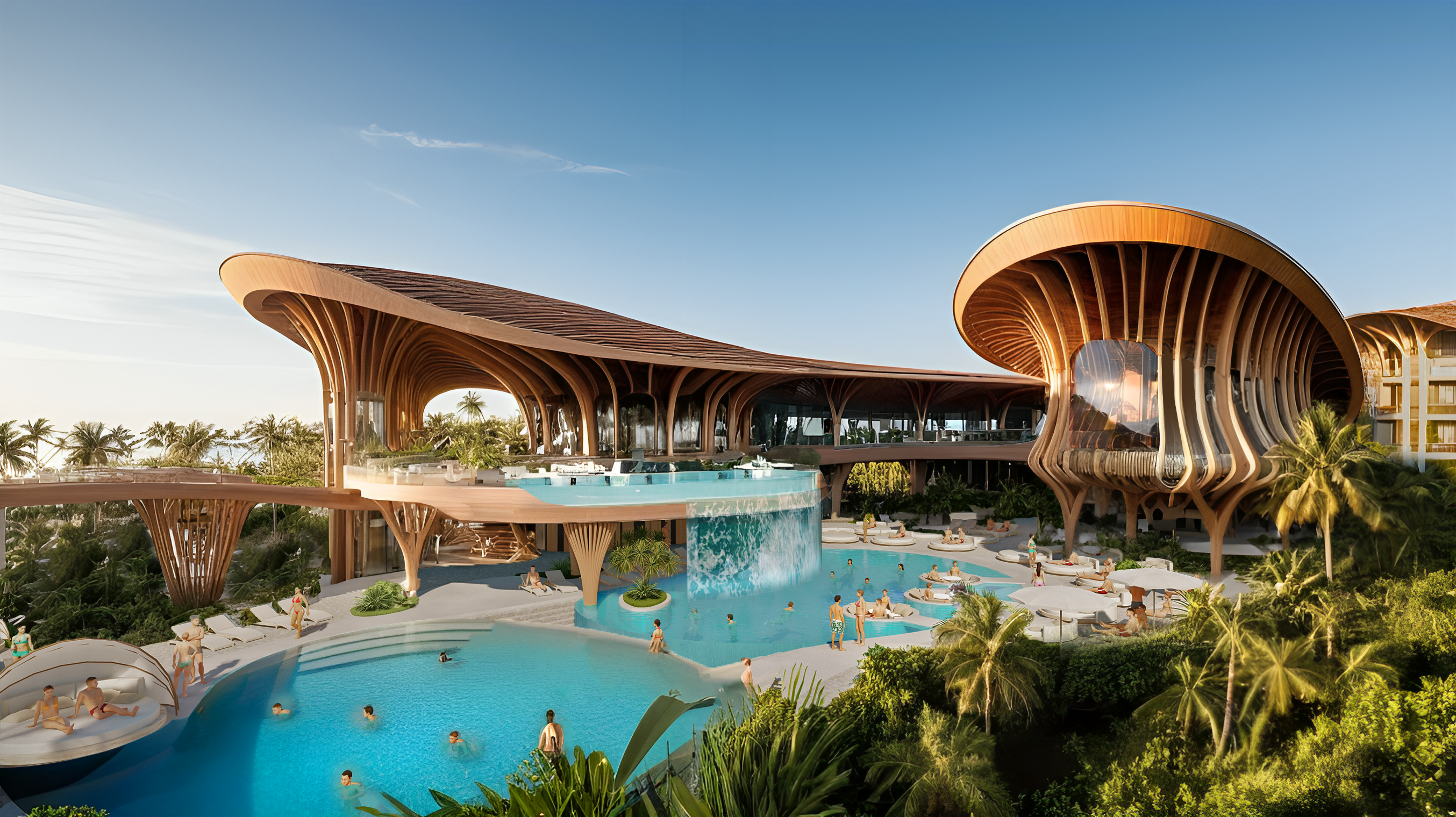
Bali’s coastline has become a global stage for the beach-club lifestyle—sunrise yoga, sunset DJs, destination dining, and premium daybeds that sell out in peak season. For investors, investing in beach clubs in Bali offers an attractive mix of hospitality, entertainment, and real estate, creating multiple income streams and strong long-term returns.
In 2026, four macro trends are driving this momentum: digital migration, luxury tourism growth, supportive government policies, and sustainable development. Combined, they’re making beach clubs one of the most profitable forms of Bali hospitality investment.
Why Invest in Beach Clubs in Bali? The Business and Lifestyle Opportunity
Unlike standalone restaurants or villas, Bali beach clubs generate revenue across multiple channels—day passes, events, dining, and retail. Their hybrid business model allows investors to earn consistent returns through both local and international demand.
Typical revenue streams include:
- Daybeds, minimum spends, and VIP membership tiers
- High-margin F&B and beverage sales
- Event and ticket revenue (DJs, weddings, private functions)
- Branded merchandise and collaborations
- Spill-over benefits for connected hotels or resorts
Strong branding and social media virality make beach clubs a magnet for global travellers, driving year-round occupancy and sustainable ROI.
Bali Beach Club Investment Trends
Bali’s property market is supported by structural growth factors shaping its next investment cycle:
1. Digital Migration and Remote Lifestyle Growth
Thousands of remote professionals and entrepreneurs are relocating to Bali, driving weekday spending at premium venues. This trend has turned beach clubs from seasonal attractions into daily lifestyle destinations.
2. Rise of Luxury Tourism and Global Brands
High-spending travellers are fueling demand for branded resorts and high-end beach clubs offering curated experiences, wellness programs, and fine dining—creating new opportunities for investors.
3. Government Support for Foreign Investment in Bali
Simplified licensing and visas such as the “Second Home Visa” make it easier for foreigners to invest, manage, or reside long-term in Indonesia, encouraging sustainable capital inflows.
4. Sustainability and Long-Term Value
Eco-friendly design, renewable energy, and community partnerships are becoming key value drivers. Beach clubs built on sustainable principles attract premium guests and international recognition.
Read more: Own a Beach Club in Bali: The Lifestyle Investment of a Lifetime
Top Locations to Invest in Beach Clubs in Bali
Choosing the right location is crucial for long-term performance.
Here are three of Bali’s most profitable coastal zones for beach-club investment opportunities:
- Seminyak: Iconic beachfront, global dining scene, strong brand partnerships, and consistent high-spend visitors.
- Berawa (Canggu): Bali’s creative hub with fitness, coworking, and surf culture—home to Bali’s highest beach-club density and year-round foot traffic.
- Uluwatu: Dramatic cliffs, luxury resorts, and a growing wedding market make it ideal for sunset-driven venues.
How Foreigners Can Invest in Beach Clubs in Bali Legally
While foreigners can’t directly own freehold property in Indonesia, there are secure and legal structures to invest in beach clubs in Bali:
Leasehold (Hak Sewa) – 25–50-year lease agreements, often renewable, providing long-term operational control.
Right to Build (HGB via PT PMA) – Establish a foreign-owned company to operate hospitality or entertainment ventures.
Fractional Ownership – Purchase equity in a managed resort or beach-club development for passive income and owner benefits.
Working with trusted developers—like Geonet Properties and Geonet Developments International, in partnership with SONO Hotels & Resorts—ensures compliance, performance tracking, and strong returns.
Read more: Can Foreigners Buy Property in Bali? Here’s What You Need to Know
Bali Beach Club Investment Model: Understanding Returns
Typical Bali beach-club investments are assessed based on operational performance — such as guest capacity, occupancy rates, and overall utilisation throughout the year.
When a beach club is integrated within a resort or branded hospitality development, its performance can significantly enhance both Average Daily Rate (ADR) and occupancy, creating a powerful synergy between lifestyle appeal and financial returns.
In essence, well-positioned beach clubs don’t just attract visitors — they elevate brand value, increase guest spending, and strengthen the long-term appreciation of the entire resort asset.
Sustainable Beach Club Development: The Future of Bali Hospitality
Eco-innovation isn’t just good ethics—it’s good business. Modern investors prioritise projects that:
- Use renewable energy and efficient design
- Employ local staff and suppliers
- Implement waste and water management systems
- Earn green certifications (EDGE, EarthCheck, etc.)
Sustainable practices lower operating costs, enhance brand image, and increase eligibility for green investment funds.
Risk Factors and How to De-Risk Your Bali Beach Club Investment
Before committing, investors should conduct careful due diligence and mitigation planning:
- Coastal zoning and permits – Verify shoreline setbacks and legal access.
- Noise and operations – Implement acoustic and community-friendly policies.
- Weather and maintenance – Design for drainage, wind, and storm resilience.
- Experienced operator – Partner with seasoned hospitality managers for consistency.
- Transparent reporting – Demand monthly P&L and occupancy reports for accountability.
Why Choose Geonet Properties for Beach Club Investment in Bali
Geonet Properties and Geonet Developments International specialise in luxury hospitality and resort-integrated beach clubs, combining world-class architecture with global operators like SONO Hotels & Resorts (under the Flight Centre umbrella).
Their portfolio—including ELLE Resort & Beach Club Bali and The Wylder Berawa—represents the new generation of high-ROI, lifestyle-driven investments in Bali, offering passive returns, secure ownership, and access to exclusive hospitality networks.
FAQs: Investing in Beach Clubs in Bali
Is it legal for foreigners to invest in a Bali beach club?
Yes—through leasehold, PT PMA, or fractional ownership structures.
What ROI can investors expect?
Branded, well-located clubs can yield 10–18% annual returns, depending on operations and event programming.
Do I need to live in Bali to manage it?
No. Fully managed or fractional models allow passive ownership with transparent reporting.
Which areas offer the highest returns?
Canggu, Seminyak, and Uluwatu are Bali’s top-performing coastal zones for hospitality investment.
The Bottom Line: Why Now Is the Time to Invest in Bali’s Beach Clubs
Beach clubs have become the heartbeat of Bali’s tourism economy, blending entertainment, dining, and design into one powerful business model. With consistent visitor growth, strong brand demand, and clear legal frameworks for foreigners, investing in Bali beach clubs offers a rare combination of profitability, lifestyle, and global appeal.
Partnering with Geonet Properties provides access to Bali’s most iconic developments and ensures your investment is built for performance and sustainability.
Ready to explore your investment options?
Book a call with our team at Geonet Properties to learn how you can secure a stake in Bali’s premier beach club developments — including the globally recognised ELLE Resort & Beach Club and The Wylder.
Book a Call Today — Start your journey toward high-performing hospitality ownership in Bali.