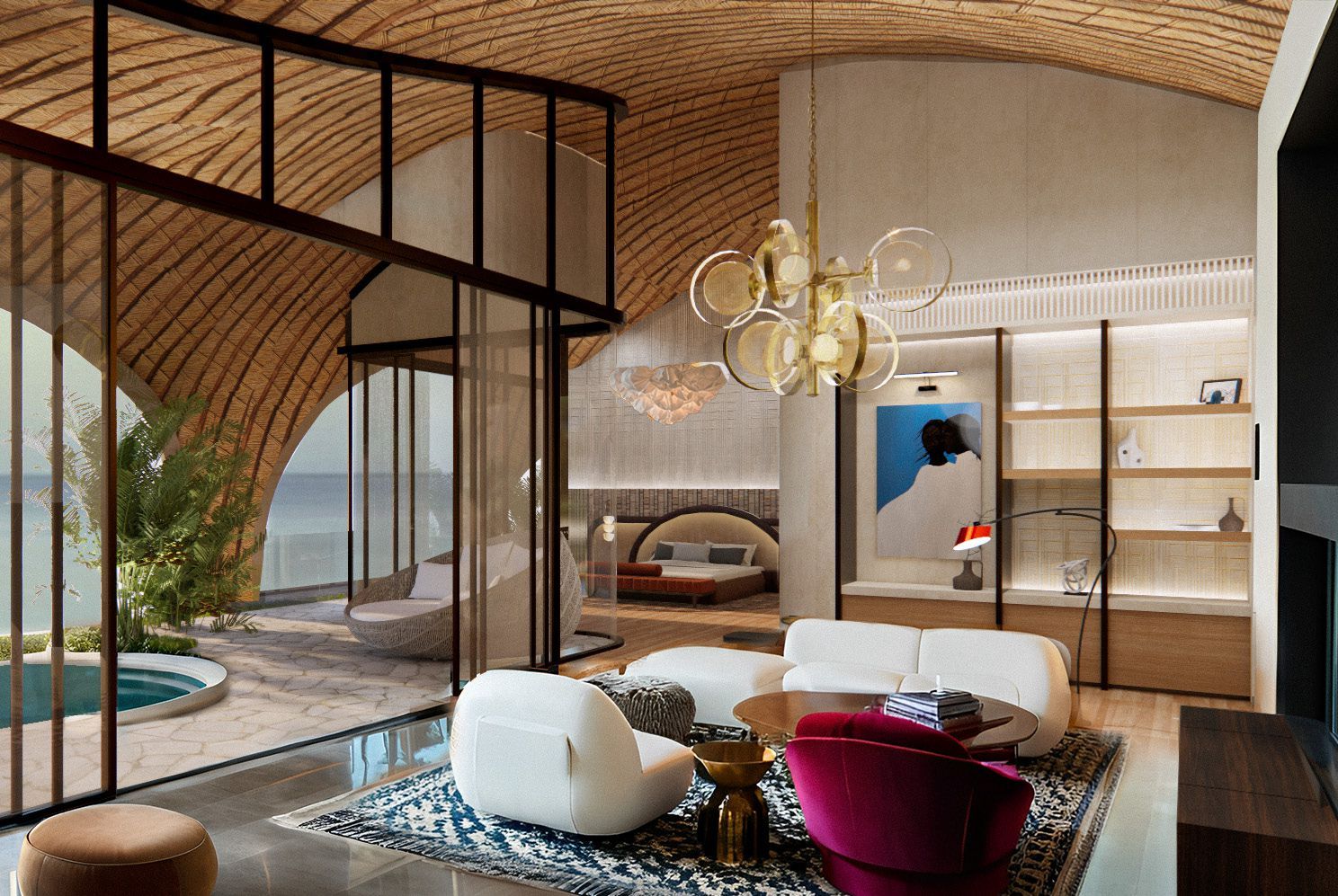
Imagine waking up to the gentle sound of waves, stepping onto your balcony to sip coffee as the morning sun sparkles over turquoise waters, and knowing that your slice of paradise is earning income for you while you relax.That’s the beauty of owning a unit at a resort — a rare combination of lifestyle and investment that offers both personal enjoyment and long-term financial rewards.
Not so long ago, resort ownership was a luxury reserved for the ultra-wealthy. Today, thanks to world-class developers and innovative ownership models, this dream is now more accessible than ever. Whether you’re an experienced investor or exploring your first venture into hospitality real estate, resort units offer unmatched potential.
In this article, we’ll explore the key benefits of owning a resort unit, why this strategy works in high-demand markets like Bali, and how you can secure your own piece of paradise.
One of the biggest attractions of owning a unit at a resort is the opportunity for recurring rental income.
In premium destinations like Bali’s Seminyak, luxury resort units command higher nightly rates, especially during peak travel seasons. This means your investment can generate higher yields compared to traditional apartments in metropolitan areas.
Owning a resort unit is more than just a financial decision — it’s a lifestyle upgrade.
When your unit isn’t occupied by paying guests, you can enjoy it yourself:
It’s like having a second home without the headaches of traditional holiday property management. Even better, it’s an asset you can pass down to future generations — blending wealth-building with treasured family memories.
This investment may produce tax consequences. You may wish to seek your own professional tax advice about the applicable tax consequences that may apply to this investment.
For Australian investors, professional advice from a tax specialist can help maximise these benefits while ensuring compliance.
Read more: Indonesia Property Ownership Laws: A Guide for Foreign Investors in Bali
Unlike private holiday homes, resort units are managed by trained hospitality professionals:
Many resorts also provide online dashboards where you can track bookings, revenue, and occupancy rates in real time — offering full transparency without lifting a finger.
Well-located resort units can appreciate in value faster than properties in oversupplied urban markets. Factors driving this growth include:
In high-demand areas such as Seminyak, owning a unit at a resort offers both short-term rental incomes and long-term capital appreciation.
Read more: Can Foreigners Buy Property in Bali? Here’s What You Need to Know
Adding a resort property to your portfolio offers a hedge against market volatility:
With inflation, travel costs — and therefore nightly rates — often rise, meaning your investment income can increase over time.
Modern resort developments now cater to a broader range of investors with flexible ownership options:
This flexibility means owning a unit at a resort is now achievable for a wide range of budgets.
While financial income is important, emotional income on investment can be just as rewarding:
It’s not just an asset — it’s a lifestyle enhancement.
Today’s travellers are increasingly drawn to eco-friendly destinations. Many modern resorts now integrate sustainable practices such as:
By owning a unit in a sustainably managed resort, you’re contributing to responsible tourism while appealing to a growing segment of eco-conscious guests.
Resort units in sought-after destinations tend to have high resale value:
This makes resort units a flexible investment — one you can hold for income, enjoy for lifestyle, and sell for profit when the time is right.
If you’re considering owning a unit at a resort in Bali, Geonet Properties offers one of the most compelling opportunities in the market today.
Through an exclusive partnership with ELLE — the iconic global fashion and lifestyle brand — Geonet is bringing the ELLE Resort & Beach Club to Seminyak. This landmark beachfront development will feature:
“Bali continues to be one of the most sought-after resort destinations in the world. With ELLE Resort & Beach Club, we’re delivering not only a high-performing investment but also a lifestyle asset in one of the island’s most prestigious beachfront locations,” says Mark Reed from Geonet.
This is more than an investment — it’s your ticket to Bali’s next iconic destination.
1. Is owning a resort unit profitable?
Yes. With high occupancy rates in tourist destinations and premium nightly rates, resort units can generate strong rental yields alongside capital growth.
2. How is a resort unit different from a second home?
A second home is typically for personal use, whereas a resort unit is a commercial property managed by hospitality professionals, designed to generate income.
3. Can I stay in my resort unit?
In most cases, yes. Owners are often allocated a certain number of days per year for personal use, depending on the ownership model.
4. Are there risks involved?
Like any investment, market conditions can affect incomes. Choosing a reputable developer and prime location minimises these risks.
5. How do I get started?
Contact a specialist like Geonet Properties, who can guide you through ownership models, legal requirements, and incomes projections.
Ready to secure your own slice of paradise? Talk to Geonet Properties today about investing in the ELLE Resort & Beach Club Seminyak — and take the first step towards a lifestyle that pays for itself.