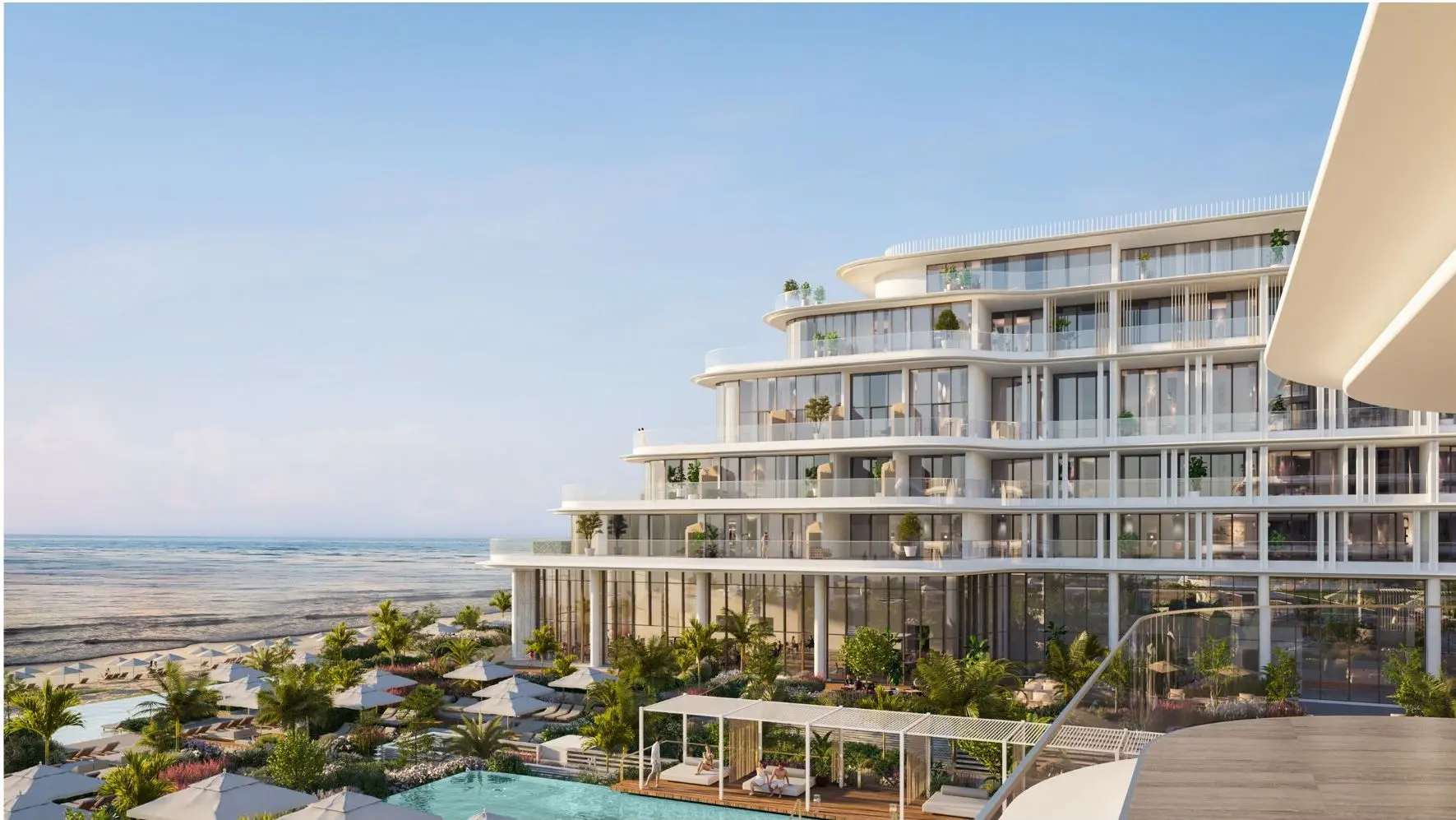
By 2028, lifestyle hotels will no longer be positioned as an alternative category within hospitality. They will sit at the centre of how hotels are designed, experienced, and valued.
What began as a response to rigid, standardised hotel models has evolved into one of the most influential movements in global hospitality. Across Asia Pacific, lifestyle hotels have shifted from being experimental concepts into core assets that shape guest behaviour, investment strategies, and long-term development pipelines. The years leading up to 2028 mark the moment when this evolution becomes irreversible.
The roots of the lifestyle hotel boom stretch back well over a decade. In Asia Pacific, momentum accelerated from the late 2000s, when new lifestyle brands entered the region at an unprecedented pace. That period marked a clear break from traditional hospitality thinking — one that prioritised experience, identity, and social energy over uniformity.
Since then, lifestyle hotels have grown steadily through both global brand expansion and independent, design-led platforms. Over the past ten years, lifestyle hotel supply across the region has multiplied rapidly, embedding the segment into both urban and resort destinations. By the time the market reaches 2028, lifestyle hotels will no longer be viewed as a subset of hospitality but as a foundational format within it.
Read more: Lifestyle Hotel Investment: Trends & High-Yield Opportunities
One of the defining characteristics of lifestyle hotels heading toward 2028 is the deliberate shift away from accommodation as the primary value driver. Rather than centring the guest experience on the room itself, lifestyle hotels prioritise shared spaces, cultural programming, food and beverage, wellness, and community interaction.
This approach reflects broader changes in how people travel. Guests increasingly seek places that feel connected to local culture, where social interaction is effortless and experiences extend beyond the walls of a private room. By 2028, the most successful lifestyle hotels will function less like places to stay and more like destinations that people actively choose to spend time in — whether or not they are staying overnight.
The lobby, restaurant, rooftop bar, and wellness spaces become the emotional and commercial heart of the property, reinforcing the hotel’s identity and driving engagement far beyond traditional hospitality touchpoints.
Lifestyle hotels have consistently demonstrated the ability to command a pricing premium compared to traditional hotels. As the segment matures toward 2028, this pricing power is expected to remain, though it will become increasingly tied to execution rather than brand name alone.
Location, design authenticity, food and beverage quality, and the ability to resonate with local audiences will define which properties maintain premium positioning. Smaller room sizes paired with stronger public spaces, mixed-use integration, and destination-led amenities will continue to enhance operating efficiency and incomes.
By 2029, pricing differentiation will be less about category labels and more about how effectively a lifestyle hotel delivers relevance and experience in its market.
One of the most compelling reasons lifestyle hotels continue to attract investor interest is their ability to generate diversified revenue streams. Food and beverage operations, events, wellness programming, and cultural activations play a far more central role in the business model than in traditional hotels.
As lifestyle hotels increasingly position themselves as social and cultural hubs, they draw not only in-house guests but also local communities. This dynamic supports stronger non-room revenue, greater brand visibility, and increased resilience across market cycles.
By 2028, lifestyle hotels that successfully integrate dining, nightlife, and wellness into their identity will be better positioned to withstand fluctuations in travel demand while maintaining strong income performance.
While lifestyle hotels initially flourished in luxury and upper-upscale segments, the next phase of growth continues to push into upper-midscale and domestically driven markets. This evolution reflects growing domestic travel demand and the adaptability of lifestyle concepts across different price points.
By 2028, lifestyle hotels will no longer be defined by luxury alone. Instead, they will represent a philosophy of hospitality — one that values design, storytelling, and experience regardless of scale. This shift opens the segment to a broader investor base and accelerates adoption in both urban and resort markets.
Read more: The Better Hotel Investment: Luxury or Lifestyle?
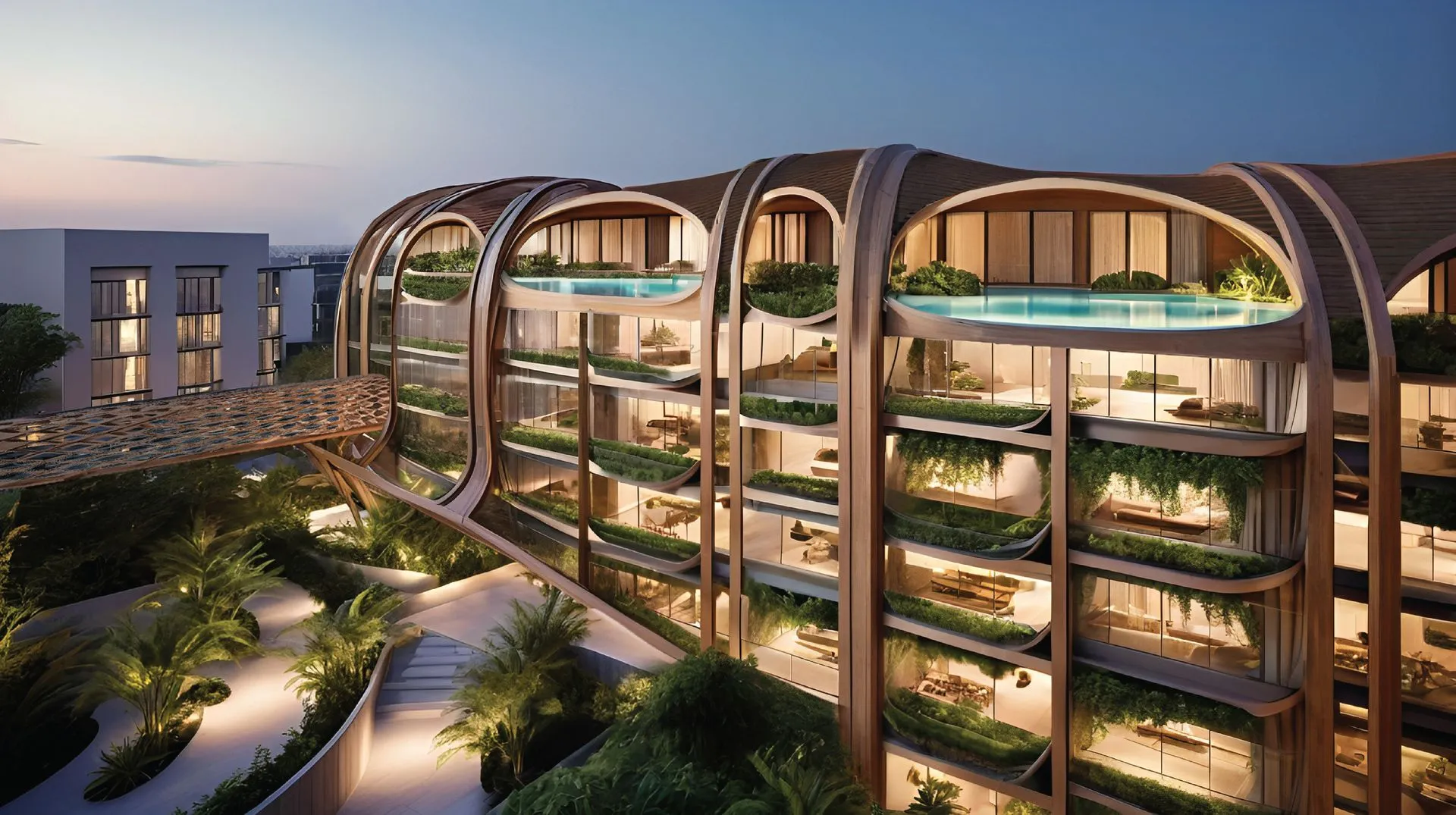
Resort destinations across Southeast Asia play a central role in shaping the future of lifestyle hospitality. These markets naturally lend themselves to experience-led travel, where food, wellness, culture, and leisure intersect.
As traditional resort formats become increasingly saturated, lifestyle concepts offer developers and investors a way to differentiate. By 2028, lifestyle hotels in resort destinations will increasingly integrate with branded residences, beach clubs, creative spaces, and wellness ecosystems, blurring the lines between hospitality, lifestyle, and long-term living.
This convergence positions lifestyle hotels as not just places to visit, but as environments people want to income to — and, in some cases, invest in.
Read more: ELLE Resort: Bali's Next Iconic Destination
By the time the market reaches 2028, the conversation around lifestyle hotels will shift from validation to optimisation. The segment will be firmly established as a core component of hospitality, shaping how hotels are designed, operated, and valued.
Authenticity, sustainability, and personalisation will define the next chapter of growth, while the boundaries between lifestyle and traditional hotel models continue to dissolve. For investors, lifestyle hotels represent not a short-term trend, but a long-term alignment with how people choose to travel and spend time.
As lifestyle hotels move toward becoming the dominant hospitality format by 2028, the opportunity for investors lies not just in recognising the trend, but in accessing it with the right strategy.
Geonet Properties focuses on curated hospitality and lifestyle-led real estate opportunities in high-growth urban and resort markets, where experience-driven travel, strong food and beverage performance, and long-term demand fundamentals converge. Rather than pursuing scale alone, Geonet prioritises projects that reflect the structural shifts shaping modern hospitality — including efficient room design, destination-led amenities, integrated lifestyle precincts, and professionally managed hotel assets.
In regions such as Southeast Asia, where lifestyle hotels continue to outperform traditional formats in engagement and pricing, this approach allows investors to participate in hospitality market designed for how people travel, socialise, and live today — and how they are expected to do so well beyond 2028.
As the lines between hotels, residences, dining, and community continue to blur, Geonet Properties positions itself at that intersection, sourcing and structuring opportunities that align with the future of hospitality rather than its past.
For investors seeking exposure to the next phase of hotel real estate — one defined by experience, adaptability, and long-term relevance — lifestyle-led hospitality assets represent one of the most compelling directions ahead.