
The global luxury hospitality sector is on track to enter a defining era in 2026. Backed by the rapid growth of high-net-worth travellers, evolving preferences for personalised and sustainable experiences, and the ongoing scarcity of prime locations, demand for luxury hotels and resorts is set to reach record levels.
For investors, 2026 marks a pivotal moment — with supply struggling to keep pace, nightly rates climbing, and branded developments driving both premium incomes and long-term capital growth. The next 12–24 months will be a strategic window to secure a foothold in this resilient and high-performing asset class.
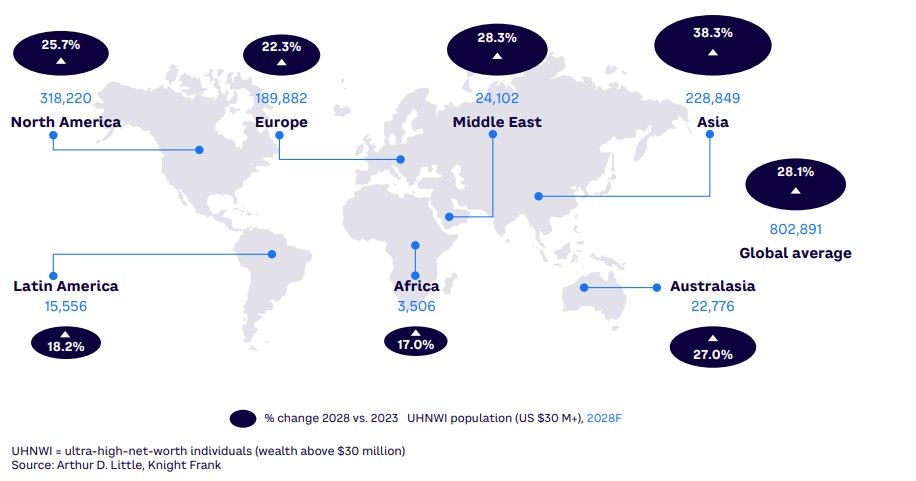
The rise in wealth among ultra-high-net-worth individuals (UHNWIs) and millionaires is reshaping global travel patterns. According to industry reports, the global UHNWI population is projected to grow by 28% by 2028, with Asia leading the charge at 38% growth.
This expansion in wealth translates directly into greater demand for premium, personalised travel experiences. At the same time, the number of millionaires worldwide is forecast to surpass 85 million by 2027, up 26 million from today.
This surge in high-net-worth individuals is fuelling demand for luxury hotels, exclusive retreats, and branded residences — all of which are positioned to deliver both lifestyle appeal and strong investment incomes.
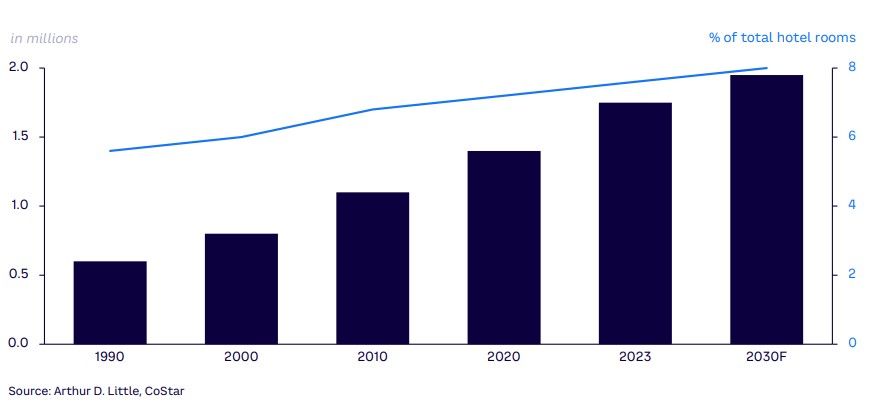
Despite a projected increase in global luxury hotel rooms from 1.6 million in 2023 to 1.9 million by 2030, demand continues to outpace supply. Affluent leisure travellers, aspirational middle-class tourists, and corporate groups are all driving bookings for high-end properties.
This imbalance means higher occupancy rates, stronger pricing power, and premium revenue per available room (RevPAR) — all key factors for investors seeking stable cash flow. In destinations like Bali, the Maldives, and the Mediterranean, limited beachfront and prime urban land ensure ongoing scarcity, supporting long-term capital appreciation.
The modern luxury hospitality experience has evolved far beyond large suites and marble lobbies. The most successful operators are focusing on five core differentiators that are setting new standards.
Read more: Navigating the Luxury Hospitality Market: Bali’s Resort Investment Potential
Premium properties in top-tier destinations are pushing average daily rates (ADRs) to record highs.
With guests increasingly seeking value in unique experiences rather than discounts, the pricing outlook for luxury hotels remains strong.
Destinations that once focused on short visits are now attracting longer bookings. Extended stays mean higher per-guest revenue and more efficient operations, making them an increasingly important driver of profitability for luxury hotels and resorts.
Luxury wellness tourism is expected to grow at 8–10% annually.
Branded luxury resorts benefit from instant recognition, global marketing networks, and proven service standards.
Historically, luxury hotels have delivered annual incomes exceeding 6%, with exceptional projects achieving double-digit yields in high-demand markets.
In prime tourism destinations, well-managed properties can offer:
Bali continues to hold its place as one of the world’s most sought-after resort destinations. Its blend of natural beauty, vibrant culture, and established tourism infrastructure makes it a strategic hotspot for luxury hospitality investment.
The island’s premium beachfront areas — particularly Seminyak — are seeing strong investor interest due to limited development opportunities and consistent demand from both leisure and lifestyle travellers.
For investors looking to enter the Bali luxury hospitality market, Geonet Properties offers a rare opportunity through its exclusive partnership with ELLE, the iconic global fashion and lifestyle brand.
The upcoming ELLE Resort & Beach Club Seminyak will feature:
With 8% annual cash rebate, this development combines the stability of a prime Bali beachfront location with the marketing power of an international brand.
“Bali continues to be one of the most sought-after resort destinations in the world. With ELLE Resort & Beach Club, we’re delivering not only a high-performing investment but also a lifestyle asset in one of the island’s most prestigious beachfront locations,” says Mark Reed from Geonet.
The global luxury hospitality sector is positioned for sustained growth over the next decade, underpinned by rising wealth, evolving traveller preferences, and an undersupply of prime locations. For investors, this is an opportunity to capture both attractive yields and long-term capital growth.
In Bali property market, where natural beauty meets world-class hospitality, partnering with established developers and recognised brands is the most strategic way to maximise incomes.
The forecast is clear: luxury hospitality is not just a trend — it’s a long-term growth story, and the time to invest is now.