

Bali entered 2026 after the biggest tourism year in its history, so the obvious question was whether the island could keep growing at the same pace.
Eight months into the year, the picture is becoming clearer. Visitor numbers have largely held near record levels, and Bali’s better hotels are filling rooms while maintaining their rates. At the same time, the villa and short-term rental market is becoming considerably more competitive.
The difference between the two tells us far more about Bali’s hospitality market than the headline arrival numbers alone.
Through the first seven months of 2026, Bali recorded approximately 3.9 million direct international arrivals, just 2% below the same period in 2025, which went on to become the island’s strongest tourism year on record.
The first half was mixed. Q1 started strongly, while arrivals softened between March and June amid geopolitical disruption and some international flight cancellations. By July, however, the direction had changed.
Bali welcomed 697,809 international visitors in July, up 15.3% from June and marginally ahead of July last year. Australia remained comfortably the island’s largest international market, accounting for one in four visitors, followed by China, India, France and the UK.
The most accurate way to describe Bali tourism in 2026 isn’t another record-breaking surge. It is a market holding close to the record levels established last year, despite a considerably more complicated global travel environment.
That becomes more interesting when we look at what Bali’s hotels are doing with that demand.
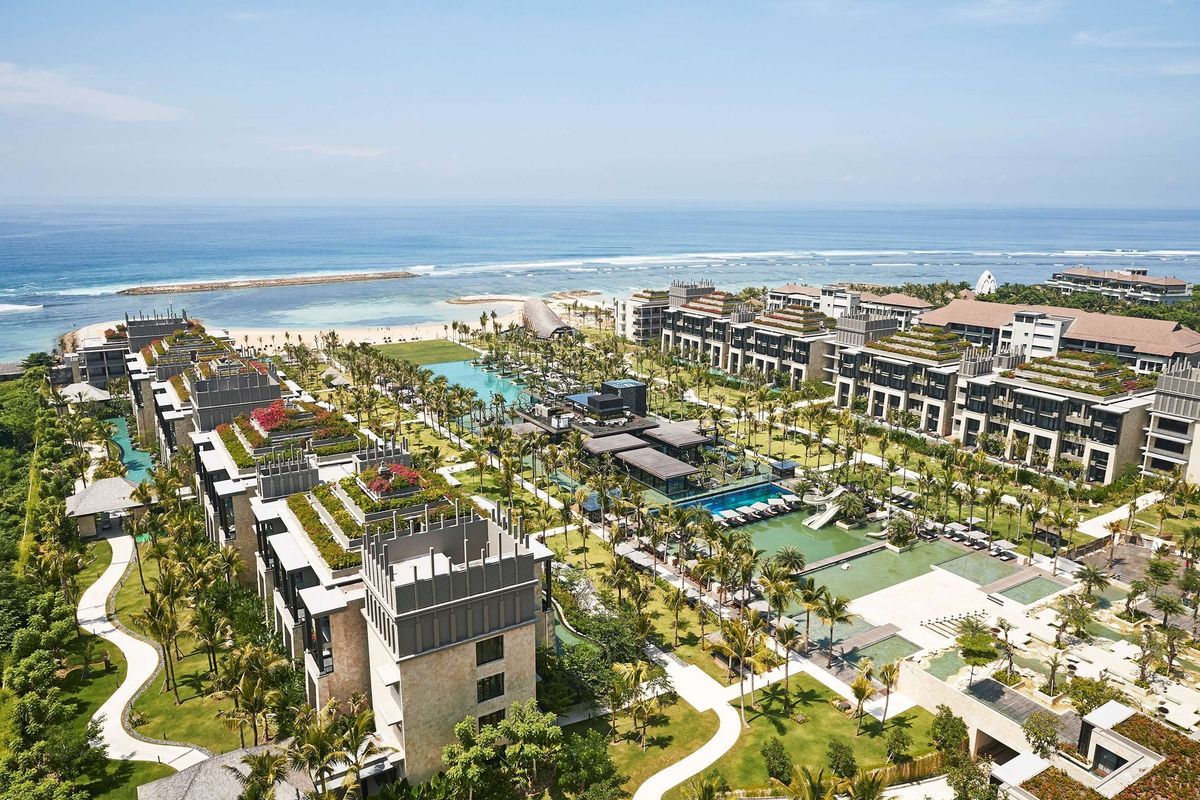
Hotel performance has been one of the more interesting stories of 2026.
Colliers reported Bali hotel occupancy of around 68% to 70% in the second quarter, with operators increasingly focused on higher-spending travellers, stronger pricing and differentiated experiences rather than simply chasing visitor volume.
The latest July numbers are stronger again. Star-rated hotel occupancy reached 67.29%, while Bali’s five-star hotels recorded occupancy of 74.45%. BPS noted that the strength of four and five-star hotels points to the spending power of visitors choosing to stay in Bali’s better properties.
Bali doesn’t need visitor arrivals to increase by 10% or 20% every year for its hospitality market to grow. If the island continues attracting millions of travellers while more of them choose premium accommodation, spend more during their stay and pay stronger room rates, the value of that tourism can continue rising even when overall visitor numbers remain relatively stable.
Colliers describes this as a shift from volume to value, with Bali’s hotel market increasingly driven by higher-spending guests and demand for better experiences.
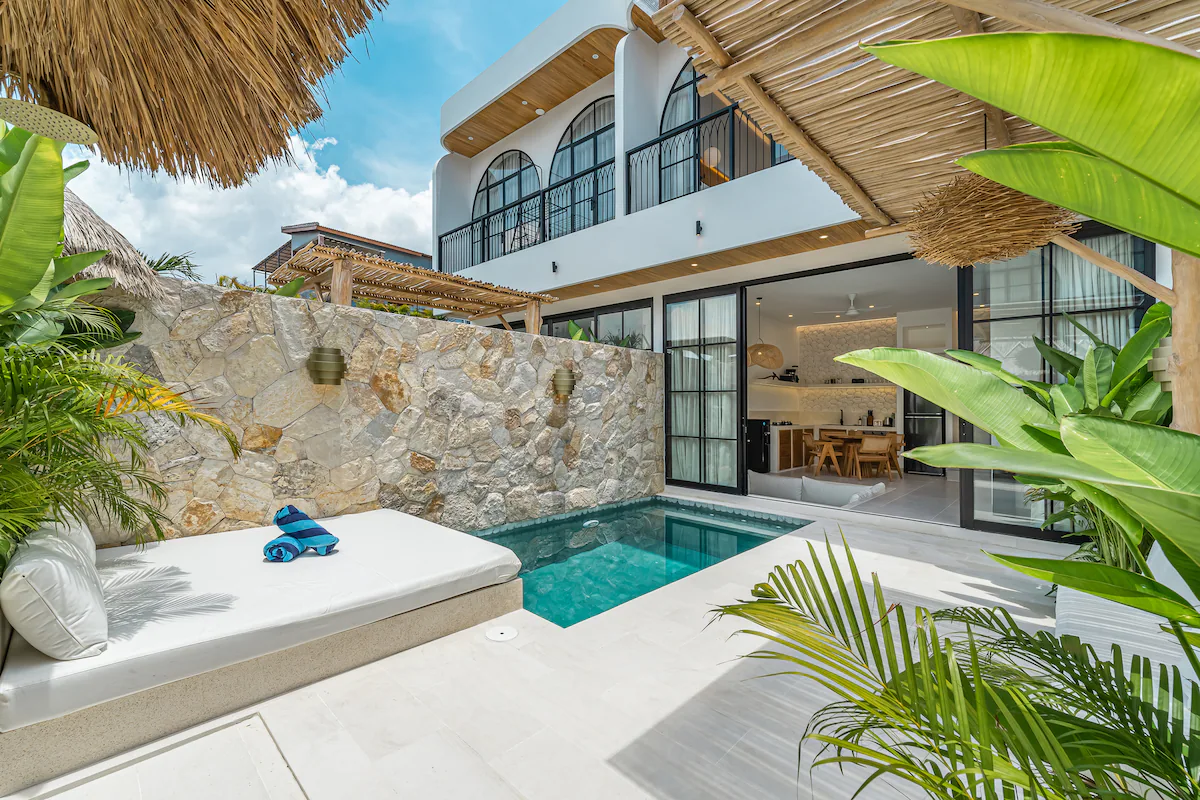
Bali’s villa market is having a very different year from its hotels, but it isn’t because travellers have stopped booking villas.
AirDNA data through July shows short-term rental occupancy up 9% to around 47%, while average daily rates fell 11.9% and revenue declined 12.2%. REID reported a similar pattern earlier in the year, with occupancy rising while rental revenue fell.
Competition is a big part of the story. Bali now has more than 39,000 active short-term rental listings, with rapid growth in villa supply putting pressure on rates as more properties compete for the same guests through the same booking platforms.
The market is also becoming more regulated. Since March, Indonesia has tightened enforcement around short-term accommodation, including licensing, zoning and tax compliance for properties advertised through Airbnb, Booking.com, Agoda and other platforms. It is too early to connect those changes directly to falling villa revenue, but independent operators are now facing greater competition and greater regulatory scrutiny at the same time.
Hotels have more ways to compete than price alone. Strong brands, professional revenue management, international distribution, restaurants, wellness, beach clubs and other on-site experiences can all give guests a reason to choose one property over another. Licensed hotels and resorts also already operate within the formal tourism framework now being enforced more consistently across short-term accommodation.
This doesn’t mean villas no longer work. Well-located, professionally managed and properly licensed villas can still perform strongly. What the 2026 numbers show is a more competitive market, where location, quality, management and the ability to stand apart increasingly influence performance.
Read more: Bali’s New Airbnb Rules: What They Mean for Property Investors
There are several reasons to keep watching the second half of 2026.
Air connectivity continues to expand. Indonesia AirAsia introduced daily Melbourne services earlier this year, Jetstar added Sunshine Coast connections, IndiGo launched daily Mumbai flights, and Starlux is scheduled to begin Taipei services in October.
Bali’s international hotel pipeline is also moving further upmarket. Waldorf Astoria Bali is scheduled to open in Nusa Dua in 2027, while Mandarin Oriental has announced a new resort and branded residences on the Bukit Peninsula.
Infrastructure remains a major focus as well. On 1 September, Bali’s provincial government signed an agreement with state rail operator KAI for a proposed battery-powered tram connecting Ngurah Rai Airport towards Canggu, part of a wider attempt to address congestion along one of the island’s busiest tourism corridors.
Meanwhile, Bali began the year being named Tripadvisor’s number one destination in the world for 2026.
None of these developments guarantees future tourism growth, but collectively they show the level of investment continuing to move into Bali’s tourism economy.
The most useful way to read Bali in 2026 may be to stop asking whether another tourism record will be broken. Last year already established the scale of the market. The more interesting question now is where those millions of visitors are choosing to stay and spend their money.
So far, the answer is becoming clearer. Visitor numbers remain close to record levels, July returned to growth, and premium hotels are recording strong occupancy while maintaining their focus on room rates and higher-value guests. At the same time, rapid villa supply growth is putting pressure on pricing and revenue across parts of the short-term rental market.
Bali tourism remains exceptionally strong, but competition for that tourism dollar is changing. For investors, developers and hotel operators, simply adding more accommodation is becoming less important than creating the kind of hospitality product travellers actively choose.
Disclaimer:
This article contains general information about the Bali tourism and hospitality market and does not constitute financial product advice. It does not take into account any person’s objectives, financial situation or needs and is not an offer or invitation to invest. Past or current market performance is not an indicator of future performance.