
Wealth is growing, travel is changing, and capital is moving in new directions across Asia. This four-part series looks at the trends reshaping property and hospitality, from where money is flowing, to how travellers are driving demand, to why lifestyle hotels are attracting growing investor attention.
Investment behaviour across Asia is changing quickly. A new generation of wealthy travellers, investors and lifestyle spenders is rewriting the rules on where money goes and why. The big gateway cities still matter. But where that capital is moving in 2026 tells a much more interesting story.
For anyone watching the hotel and property market across the region, the signals are clear. As wealth grows across Asia, expectations are changing, particularly in how people travel, spend, and invest.
As Chad Egan, CEO of Geonet, puts it “A lot of investors still think of Asia through the lens of apartments and land. But increasingly, the stronger opportunities are linked to tourism income and operating assets that benefit from how people actually live and travel.”
Asia Pacific is creating affluent households faster than anywhere else on earth. Between 2025 and 2030, that segment of the population is expected to grow at around 8% annually, a pace that leaves Europe and North America well behind.
But the real story isn’t just how much wealth is being created. It is what this generation of wealthy Asians actually wants. The Mumbai family flying business class to the Maldives has very different expectations to the Seoul professional who found a boutique hotel on TikTok and booked it the same afternoon. The Singapore entrepreneur who treats Bali as a regular long weekend destination is thinking about ownership differently to how her parents thought about a flat in the city.
Each of these people represents real spending and, increasingly, real investment capital. Understanding what they want and where they want to be tells you a great deal about where property investment in Asia is heading.
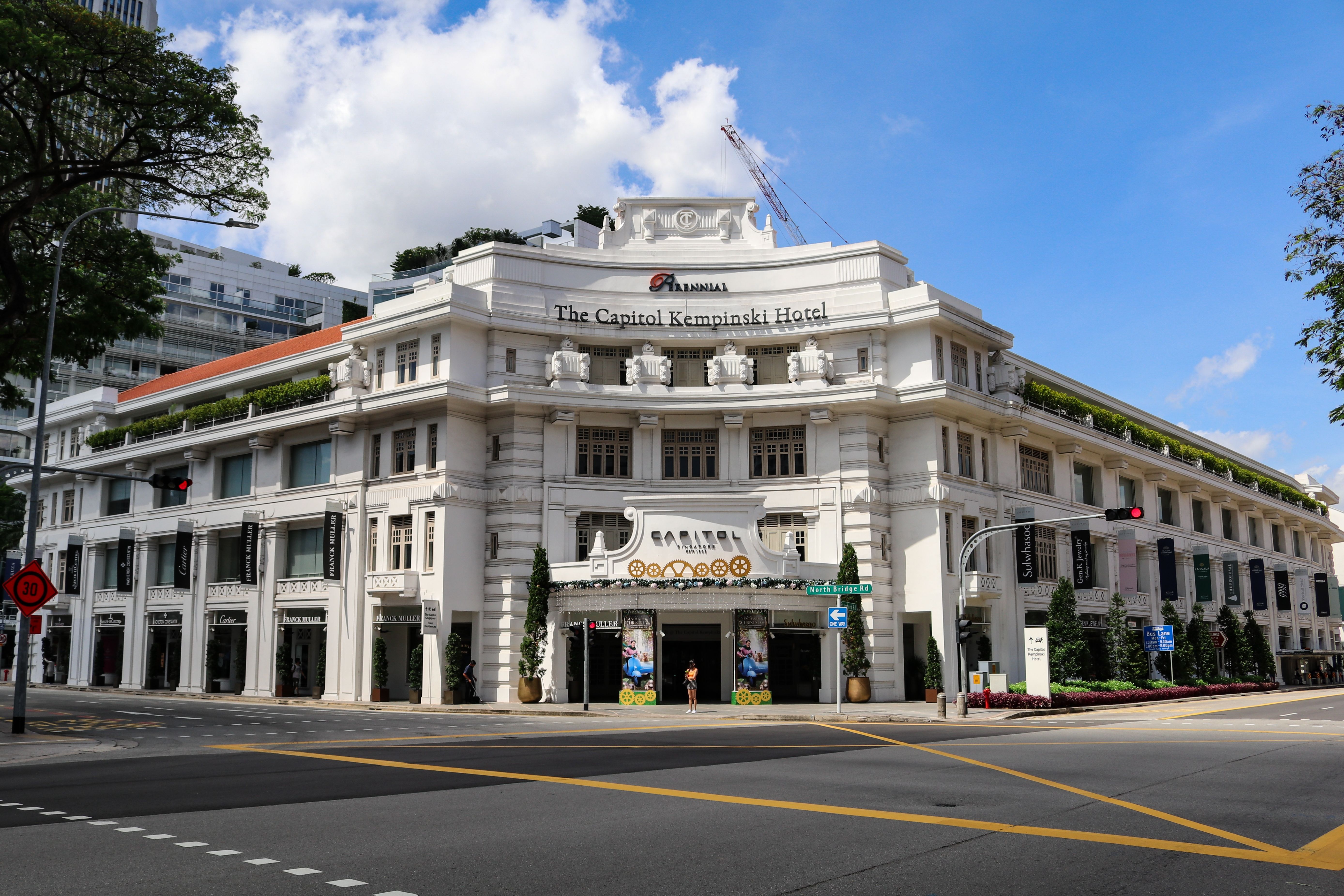
For decades, buying property in Hong Kong was not really a decision. It was just what you did with money. The city’s residential market was one of the most reliable stores of value in the world, and prices reflected that.
That story has changed. Home values have fallen 8 to 14% since 2023, and yet the city still ranks at the top for the world’s most expensive real estate, at USD $1M per just 23 sq metres. Meanwhile, transaction volumes hit their lowest point in thirty years. The government removed its property cooling measures in early 2024 and the market barely responded. Rental yields on residential property in Hong Kong now sit around 2 to 2.8% in USD terms, while mortgage costs are running at 4.5 to 5.5%. Anyone buying to generate income is paying more to hold the asset than they earn from it.
The result is that Hong Kong’s formidable pool of private capital is actively looking at alternatives. Hotel investment has become more active, with assets trading at yields that residential property cannot match. The city’s investor class has not lost its appetite. It has changed its target.
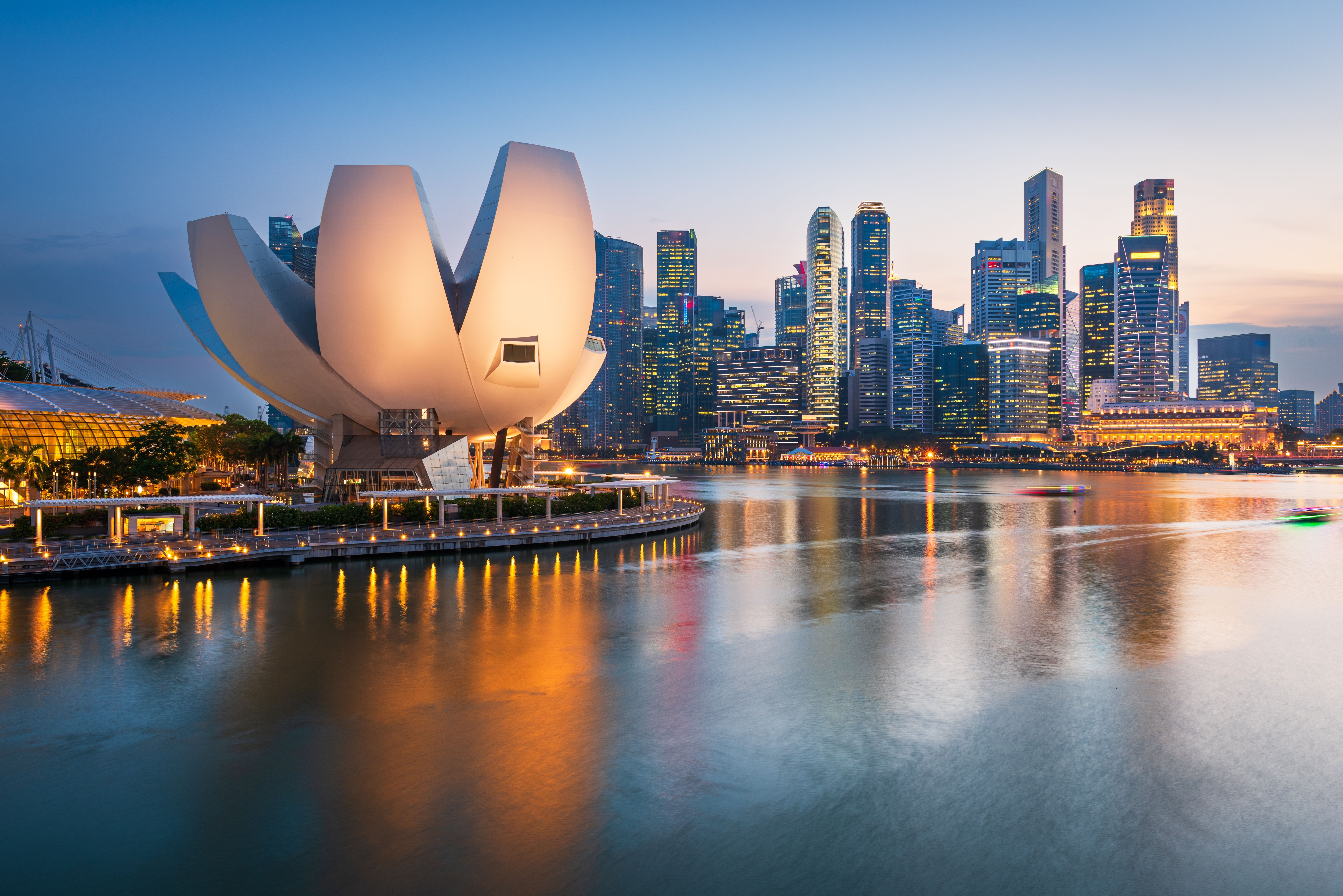
Singapore is a remarkable city and will remain one of Asia’s most important financial hubs. But for foreign investors seeking income from property, the city has effectively been closed.
In 2023, Singapore doubled its stamp duty for foreign residential buyers from 30% to 60% in a single announcement. On a USD 1.5 million apartment, that means paying an additional USD 900,000 in tax before collecting a dollar of rent.
After the spike, foreign purchases of Singapore private property reportedly fell 59.2% quarter-on-quarter in 2023. Notably, buyers shifted toward commercial assets and real estate trusts (REITs), rather than direct residential purchases. The S-REIT sector, offering distribution yields of 5–7%, has become the more credible yield play for institutional capital in the Singapore market. Ultra-high-net-worth buyers still acquiring residential property are largely doing so for residency or wealth preservation, not return.
Residential yields sit at 2.5 to 3.5%, well below borrowing costs.
The hospitality picture is different. JLL identifies Singapore as Asia's most liquid hotel investment market. RevPAR is running 15–20% above pre-COVID levels, MICE demand is robust, and supply remains constrained. JLL's 2026 outlook describes conditions as potentially exceptional for Singapore hospitality investment, with quality product and improving financing conditions converging at the same time.
The residential market has been deliberately closed to foreign investors. The opportunity has moved, and hospitality is where it now sits.
What connects Hong Kong and Singapore right now is a shared investor psychology: a growing reluctance to accept low yields in exchange for familiar markets, and a genuine willingness to look further afield.
“When the numbers stop working in familiar markets, investors don’t stop investing. Instead, they start looking else
where. That’s what we’re seeing happening across Asia right now,” says Egan.
The ULI and PwC Emerging Trends in Real Estate Asia Pacific 2026 report found that hotels have moved from the bottom of the investment rankings to near parity with the most favoured asset classes. Cross-border investment into hotels and properties in Japan grew from USD 4.4 billion to USD 7.2 billion in just the first half of 2025. Australia saw similar inflows of Asian capital into hotel and commercial property over the same period.
Globally, high-net-worth individuals and family offices are increasingly among the most active buyers of hotel assets. They are longer-term, less leverage-dependent, and increasingly willing to look beyond the traditional gateway cities toward destinations where tourism demand is structural and growing.
According to JLL's research, this buyer group is drawn to the yield premium hotels offer over other property classes, the ability to generate ongoing cash flow, and, particularly in Asia, the prestige and cultural significance of owning a quality hotel property.
Yield-compressed gateway markets are losing ground to destinations where tourism is strong, supply is limited, and a well-run hospitality asset generates income that makes financial sense.
The gap between where traditional property wisdom points and where the actual returns are has rarely been wider. Residential yields of 2 to 3.5% in gateway cities, burdened by significant tax on entry, sit in stark contrast to the 8 to 15% available on professionally managed hospitality assets in markets like Bali, or the 5 to 10% achievable across Thailand’s established resort destinations.
A growing number of Asia’s affluent travellers, people who already know these destinations, return to them regularly, and understand their appeal firsthand, are beginning to see them not just as places to visit but as places to invest.
“People invest in what they understand. And increasingly, that understanding is coming from where they travel, where they spend time, and where they keep going back to,” says Egan.
The destinations that attract the most passionate, highest-spending visitors are the same ones that produce the most resilient hospitality income. And the investors who recognise that connection earliest tend to be the ones who move first.