Welcome to 2026. The hospitality and travel landscape across Asia Pacific is settling into a new rhythm, and the signals coming through are increasingly clear. According to JLL’s APAC Hotel Operators’ Sentiment Survey 2025/2026, most hotel operators expect operating profits to increase by around 2–6% next year, as they forecast steady demand and improving operational performance.
Those expectations don’t exist in isolation. They’re supported by trends that are particularly relevant to Bali. Asia Pacific feeder markets continue to grow, short-haul travel is becoming more frequent, social media plays a central role in how destinations are discovered, and lifestyle-led hotels are consistently outperforming traditional models.
For us and Bali investors, these shifts matter. They influence who is travelling to Bali, what they’re looking for, and why certain hotels stand out. The trends below explore the signals shaping lifestyle hotel investment on the island and why they matter as we look ahead.
Bali’s tourism market is no longer being led by traditional long-haul Western markets. Instead, growth is being driven by Asia Pacific.
India is firmly planted as Bali’s second-largest source market. At the same time, several Asian markets are accelerating quickly. In 2025, arrivals from China, South Korea, Japan and Taiwan all increased by double digits, year over year. In fact, 45% of Bali’s record growth over the last year came from these four markets.
South Korea is a particularly notable example. Arrivals to Bali from South Korea increased by approximately 24% year on year, pushing it into the island’s top four feeder markets.
This is key because North Asian travellers tend to travel more frequently, stay in higher-quality accommodation and show strong interest in lifestyle, wellness and branded experiences. We are also encouraged by the noted increase in disposable income. In Asia Pacific, the affluent segment is expanding fastest, where the number of affluent households to be added between 2025-2030 will be the highest in the world, with a growth rate of 8% growth annually.
This regionalisation of demand is creating a more resilient and repeat-driven, and higher spending visitor base for Bali.
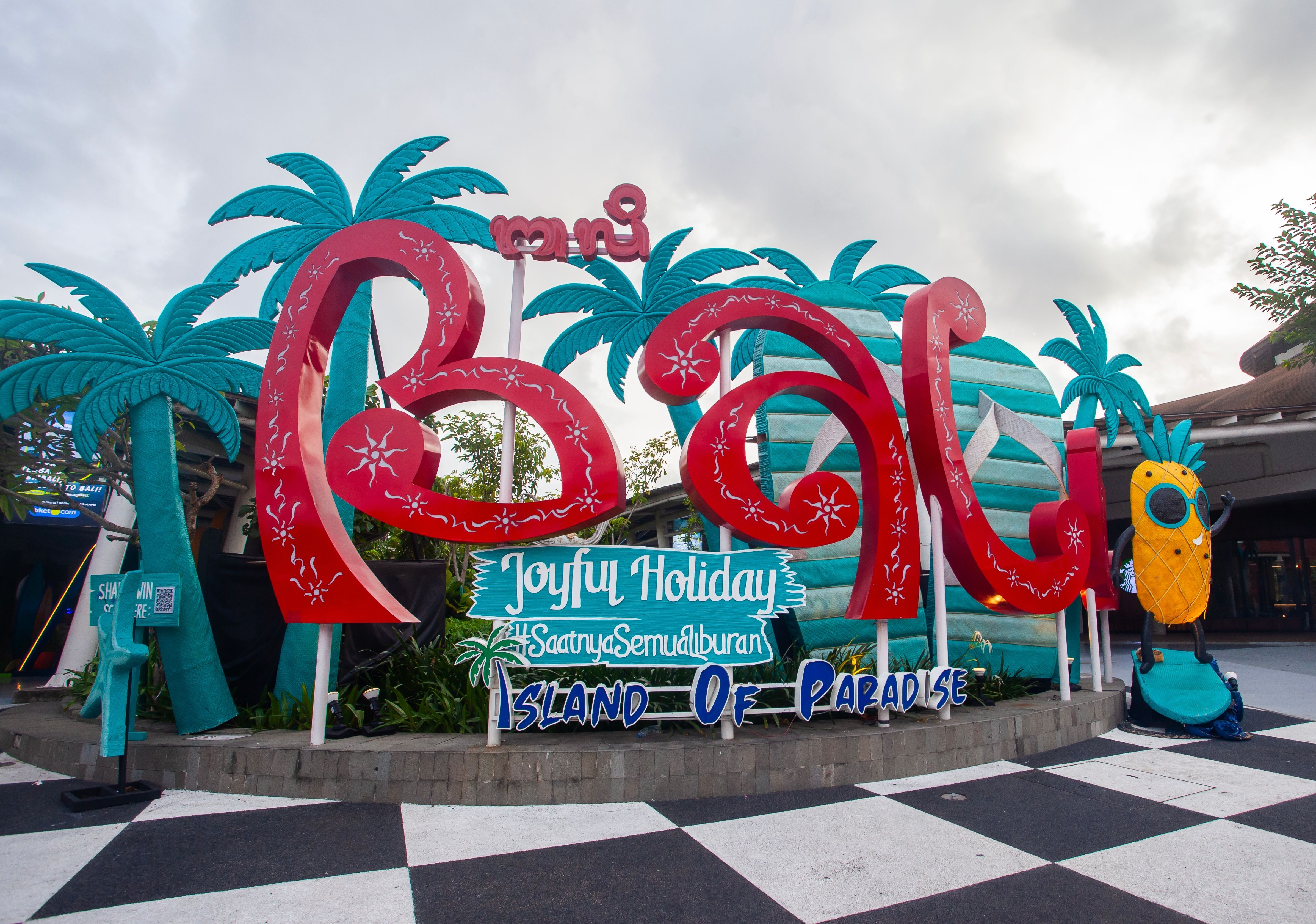
Another trend across the region is the love of quick getaways, especially over the long holiday weekends..Instead of one major holiday per year, travellers are increasingly taking multiple shorter trips.
According to the Agoda 2026 Travel Outlook Report, 35% of Asia Pacific travellers plan to take four to six trips per year, while a further 32% expect to travel two to three times annually.
With direct connections from Singapore, Kuala Lumpur, Bangkok, Seoul, Tokyo and Taipei, Bali fits naturally into this pattern. The result is a shift toward repeat visitation, supporting hotels designed for familiarity, consistency and lifestyle appeal rather than one-off resort stays.
Social media continues to shape how people choose where to travel. In fact, it’s no surprise that 85% of millennials make travel decisions based on social media. Bali is one of the clearest examples of this in action. Beaches, beach clubs, temples, jungle landscapes, rooftop sunsets, an ever-evolving food scene and a strong social culture make the island endlessly shareable.
Last year, Bali ranked as the second most popular destination on social media worldwide, behind only Dubai and ahead of cities such as Tokyo, New York and Rio de Janeiro. In 12 months, Bali racked up 75.7 million Instagram hashtags, 8.6 million TikTok posts. That visibility isn’t accidental. Bali lends itself naturally to group travel, friends’ trips and influencer-led discovery, where experiences are shared in real time across Instagram, TikTok and YouTube.
Hotels and travel marketers recognize this. Properties are no longer just places to stay, they become part of the content itself. Design, atmosphere, food, pools and social spaces all influence how a destination is discovered and revisited, reinforcing demand well beyond traditional marketing.
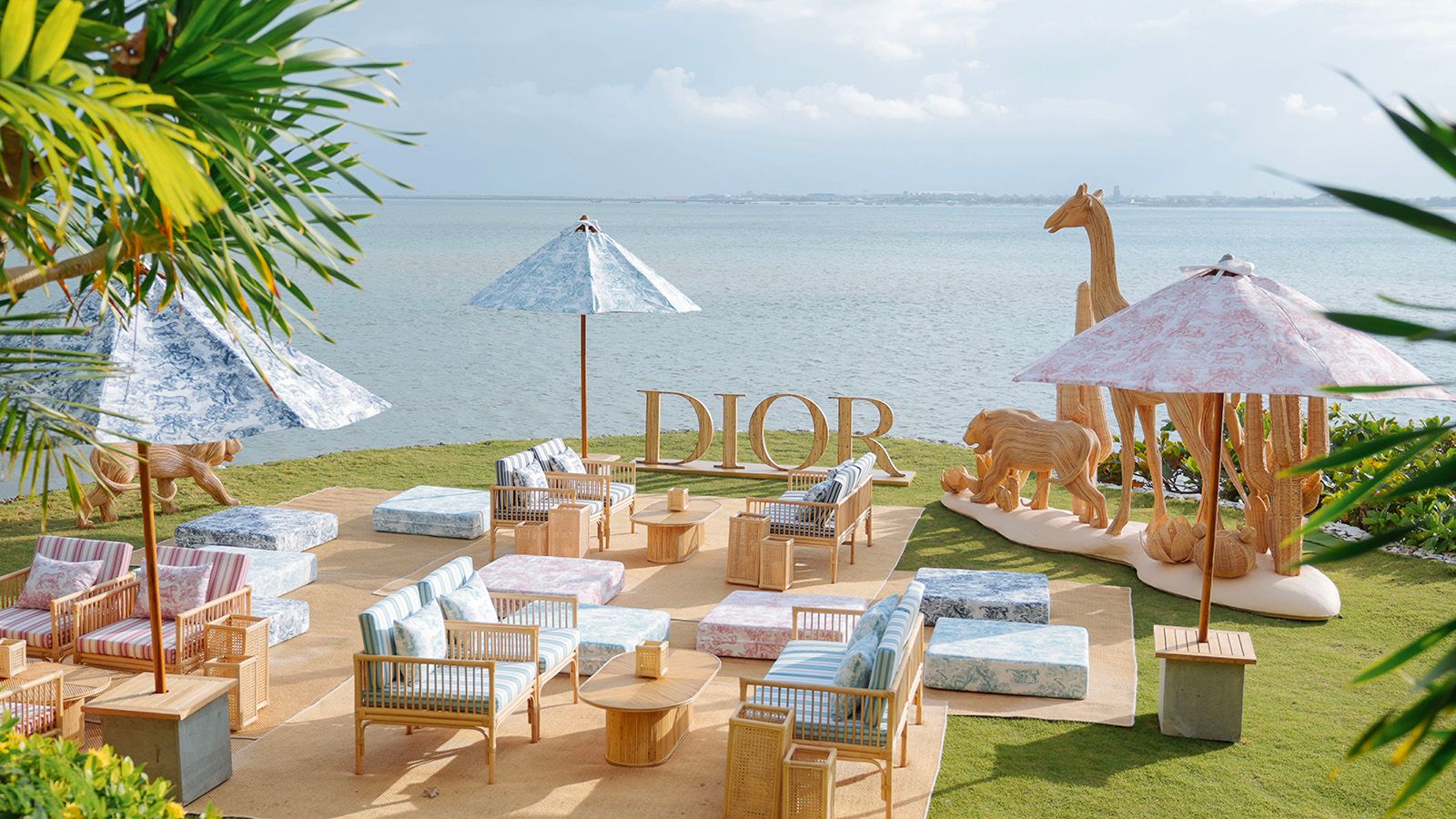
One of the clearest signals of where luxury is heading is the growing overlap between fashion, hospitality and lifestyle.
Luxury fashion houses are no longer limiting themselves to apparel. Brands such as Bulgari and Versace have developed fully branded hotels, extending their design language into architecture, interiors and service culture. Others, including Dior, Missoni and Dolce & Gabbana, are partnering with luxury hotels through spa takeovers, themed suites, pool clubs and curated pop-ups.
These collaborations are not marketing stunts. They are strategic moves designed to create immersive brand experiences, diversify revenue and deepen emotional connection with customers who increasingly prioritise experiences over products.From the hotels’ perspective, fashion partnerships offer access to global brand recognition, new guest segments and differentiated positioning in crowded markets.
This blending of fashion and hospitality is telling us that there is growing demand for hotels that feel editorial, design-led and culturally relevant, aligning closely with lifestyle-focused brands like our flagship project with ELLE.
According to the JLL Lifestyle Hotels in Asia Pacific 2025 report, lifestyle hotel room supply in the region has quadrupled since 2014. By 2027, lifestyle hotel inventory is forecast to grow a further 34%, making it one of the fastest-expanding segments in hospitality.
In 2024 alone, lifestyle hotels accounted for the highest share of new hotel openings across Asia Pacific. Between 2025 and 2027, lifestyle hotels are expected to represent between 6 - 9% of all new hotel supply, a higher proportion than at any point in the past decade.
Lifestyle hotels are no longer a niche segment. They are now a central part of hotel development strategies across Asia Pacific.
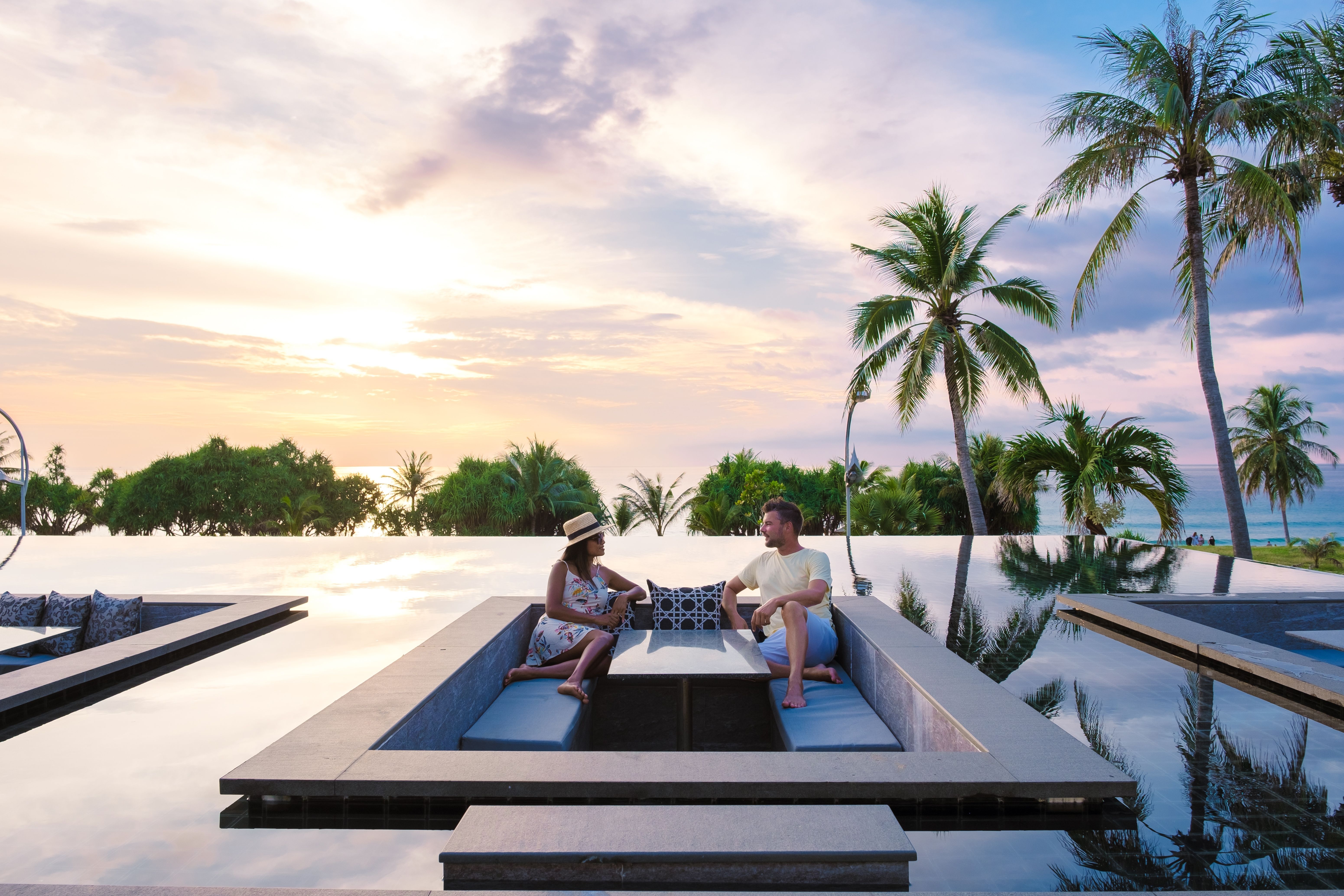
Lifestyle hotels are not just growing in number, they are outperforming traditional hotels on key financial metrics:
These numbers explain why developers, operators and investors - including ourselves - continue to favour lifestyle-led hospitality.
Major hotel groups are increasingly prioritising lifestyle brands as part of their long-term growth strategies.
According to Hotel Dive’s 2026 hospitality trends, lifestyle brands are being used to attract younger, design-aware travellers, support conversion projects and allow greater flexibility in brand standards. Operators are also using lifestyle segments as testing grounds for new food, beverage, wellness and social concepts.
Many of today’s most successful lifestyle hotels favour subtle cues, material quality, storytelling and atmosphere over overt branding. This “if you know, you know” approach appeals to travellers seeking authenticity, cultural fluency and individuality rather than obvious status signals.
We see this shift as a broader move away from rigid brand formats toward curated, locally relevant experiences that guests are seeking.
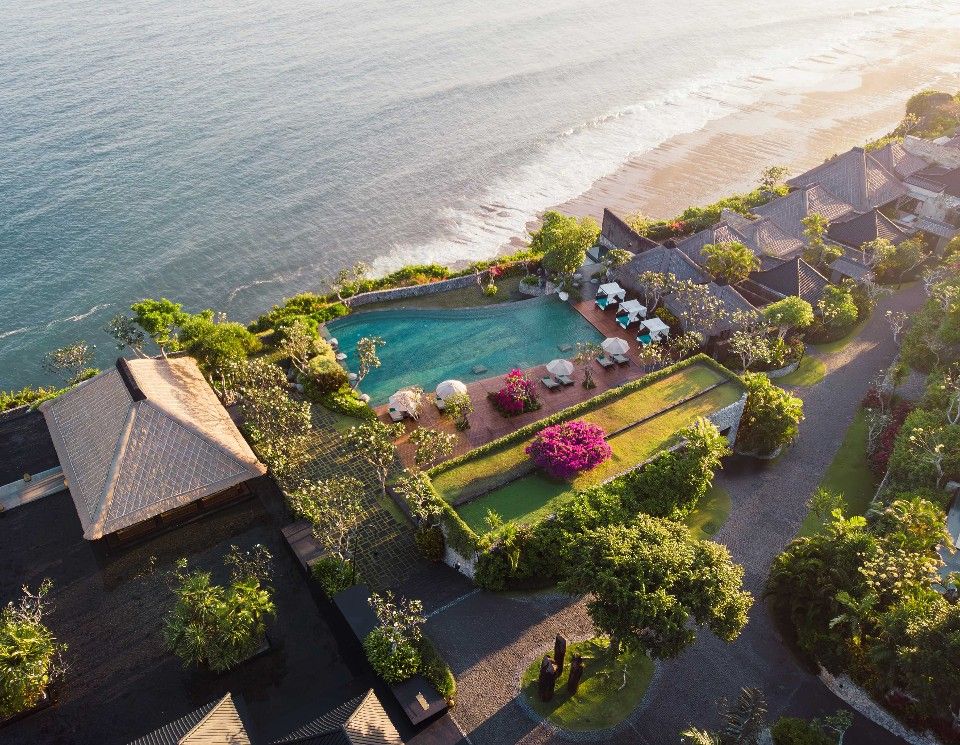
Taken together, these trends point to a broader transformation underway in Bali.
The island is no longer defined solely as a holiday destination. It is becoming a lifestyle platform for Asia Pacific travellers, shaped by social media visibility, regional accessibility, wellness culture, creative industries and experience-led hospitality.
For hotel investment, this evolution favours properties that are designed for relevance over time, repeat engagement and strong brand identity. Bali’s position at the intersection of travel, fashion and lifestyle continues to support long-term demand for well-positioned lifestyle hotels.
As we move into 2026, the data is very telling. Asia Pacific demand is rising, lifestyle hotels are outperforming, social media is shaping travel behaviour, and the boundaries between fashion, hospitality and wellness continue to blur.
For destinations like Bali and for hotel projects designed around these realities, the opportunity lies in understanding not just where travellers are coming from, but how and why they choose to travel. The next phase of growth will belong to destinations and hotels that feel relevant, experiential and deeply connected to how people live, share and explore.