
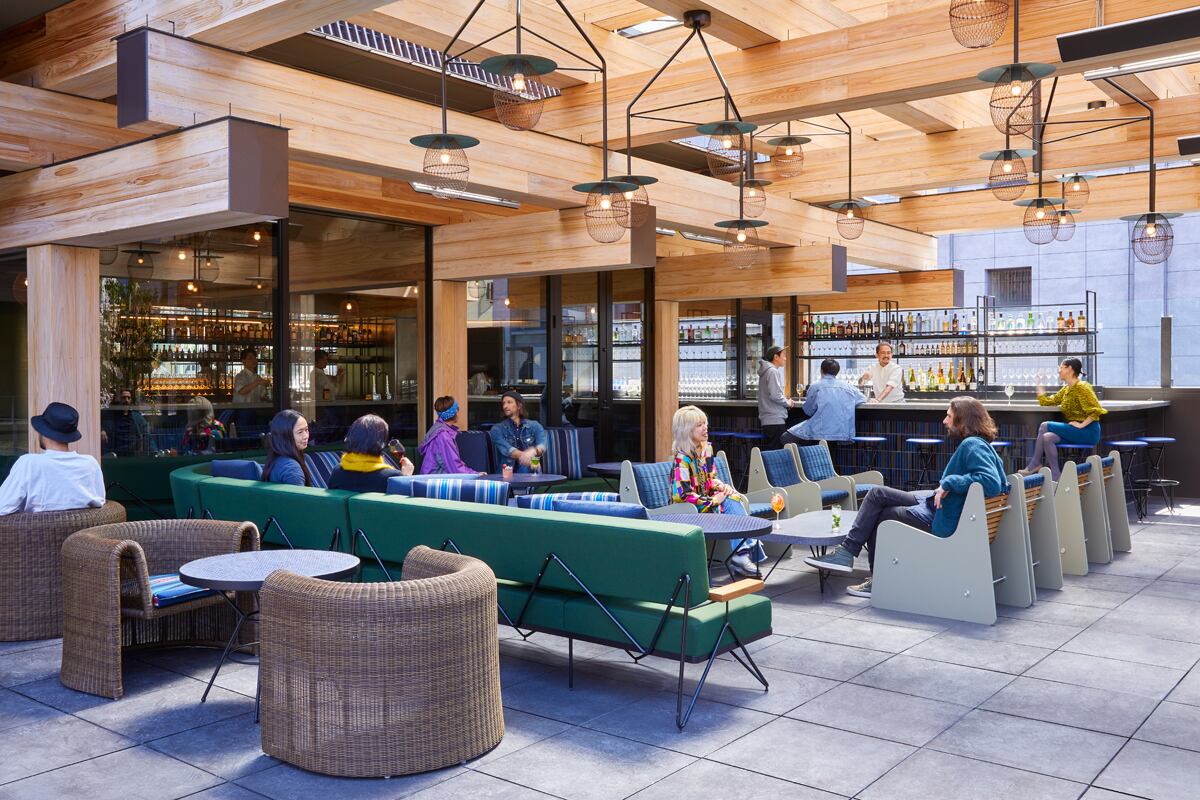
A great hotel used to be defined primarily by its rooms, location and service. Today, something else is influencing how travellers choose where to stay: the food, drinks and experiences available within the property.
From rooftop restaurants overlooking city skylines to beachfront dining venues and chef-led culinary concepts, hotel restaurants are becoming destinations in their own right. Guests are no longer visiting hotels only to sleep. They are coming for dinner, meeting friends for drinks, attending events and spending time in spaces designed for both travellers and local communities.
This shift is changing the way lifestyle hotels are developed and operated.
For hotels, dining is no longer simply an additional service offered to overnight guests. Restaurants, bars and entertainment venues can become central elements of a property's identity, attracting visitors who may never book a room.
As travellers increasingly seek memorable experiences, hotel dining experiences are playing a more prominent role in modern hospitality.
Dining has always been part of the hotel experience, but its role has evolved.
Traditionally, hotel restaurants primarily served guests staying at the property. Breakfast, room service and convenient dining options were important amenities, but they were not necessarily the main reason someone selected a hotel.
Today, many lifestyle hotels are taking a different approach.
Restaurants and bars are being designed as independent destinations, with their own identities, menus, atmosphere and audiences.
A guest might choose a hotel because of its restaurant, while someone living nearby might visit regularly without ever staying overnight.
This creates a more active hospitality environment where different visitors use the property throughout the day.
Research from JLL's Hotel Restaurant Report 2025 highlights the growing influence of dining on travel decisions.
According to JLL, 50% of global travellers make restaurant reservations before booking their flights. The research also found that high-end hotels with prestige restaurants recorded 18.6% higher revenue per available room than comparable luxury properties.
These findings suggest that dining can contribute to a hotel's appeal and commercial positioning.
However, the figures describe observed industry relationships rather than guaranteed outcomes. Individual hotel performance remains dependent on location, demand, management, operating costs and other factors.
For developers and operators, the findings reinforce the importance of considering food and beverage experiences during the early stages of hotel planning.
Not every hotel restaurant becomes a destination.
A successful destination dining concept generally offers something that encourages people to visit specifically for the experience.
That might be a distinctive menu, an exceptional location, a well-known chef or an atmosphere that is difficult to find elsewhere.
Several characteristics can contribute to the appeal of a destination restaurant.
A restaurant with a clear identity can attract guests who are interested in a particular cuisine or dining experience.
Rather than offering a generic hotel menu, destination restaurants often focus on a specific culinary approach, local ingredients or a concept shaped by an experienced hospitality team.
This gives visitors a reason to choose the venue over other restaurants in the surrounding area.
Dining experiences extend beyond the food itself.
Interior design, lighting, music, seating arrangements and the surrounding environment influence how guests experience a venue.
A rooftop restaurant overlooking a city, for example, creates a different experience from an intimate dining room or a beachfront venue.
These elements can help establish a recognisable identity and encourage repeat visits.
Many contemporary hotel dining venues operate throughout the day.
A restaurant might serve breakfast and lunch before transitioning into sunset drinks, dinner and evening entertainment.
Some venues also host live music, special events and private celebrations.
This flexibility allows a hotel to serve different audiences and occasions without relying exclusively on overnight guests.
Lifestyle hotels approach hospitality as a collection of connected experiences.
Accommodation remains important, but dining, wellness, entertainment and social spaces are also central to the concept.
This differs from a conventional model in which the restaurant primarily exists to support hotel guests.
According to JLL's research on lifestyle hotels in Asia Pacific, lifestyle hotels in the region generate approximately 30% more food and beverage revenue per occupied room than the broader hotel market average, including meetings and events revenue.
The research also identifies an average daily room-rate premium of approximately 10% to 11% for lifestyle hotels compared with the overall market.
These findings highlight the commercial relevance of food and beverage within certain lifestyle hospitality models.
They do not mean that every lifestyle hotel will achieve similar results.
The broader lesson is that dining and entertainment can influence how visitors engage with a hotel.
A property with several distinctive venues may appeal to people throughout the day, creating an environment that extends beyond accommodation.
Several hotels around the world illustrate how restaurants, rooftop bars and social venues can shape a property's identity.
Each takes a different approach, but all demonstrate the importance of creating experiences that appeal to audiences beyond overnight guests.
The Standard Bangkok Mahanakhon demonstrates how multiple dining and entertainment concepts can operate within one hotel.
Its venues include Ojo, a Mexican restaurant located high above Bangkok, and Sky Beach, a rooftop destination offering panoramic views of the city.
The property also features The Standard Grill, The Parlor and Mott 32, each providing a different dining or social experience.
Together, these venues create opportunities for visitors to experience the hotel in different ways.
Someone might visit for a rooftop drink, return for dinner and later attend an event without ever booking accommodation.
The hotel's dining and entertainment offerings help establish it as part of Bangkok's wider lifestyle scene.
At The Standard Hua Hin, Praça combines dining, drinks and entertainment within a restored heritage house near the beach.
The venue brings together Thai cuisine, a distinctive setting and a programme of social experiences.
Its appeal extends across different times of day, from casual dining to evening gatherings.
This approach demonstrates how a single venue can serve multiple purposes while maintaining a recognisable identity.
At Sri Panwa in Phuket, Baba Nest has become one of the property's most recognisable experiences.
The rooftop bar is known for its elevated setting and views across the Andaman Sea.
Its appeal demonstrates that destination dining is not always centred on a full restaurant experience.
Sometimes, the combination of location, atmosphere and drinks can be enough to establish a venue as a reason to visit.
For lifestyle hotels, these distinctive experiences can become closely associated with the property itself.
Andaz Singapore takes a multi-venue approach to hotel dining.
Alley on 25 draws inspiration from Singapore's street-dining culture, while Mr. Stork offers a rooftop setting with panoramic city views.
The concepts provide different environments for different occasions.
Guests can move between casual dining and evening drinks without leaving the property.
This variety reflects a broader lifestyle hospitality approach in which each venue contributes to the hotel's overall identity.
Ace Hotel Kyoto brings together several food and beverage concepts within one property.
Mr. Maurice's offers Italian dining and a rooftop setting, while PIOPIKO introduces Mexican-American food and drinks.
Stumptown Coffee provides a more casual daytime experience.
Each venue appeals to a different audience and occasion.
The combination allows the hotel to function as a social destination throughout the day, rather than relying solely on accommodation demand.
Casa Bonay illustrates how hotel dining can strengthen connections with the surrounding neighbourhood.
Its social spaces, including Libertine, bring together dining, drinks, music and events.
The concept is designed to appeal to Barcelona residents as well as international visitors.
This creates an environment where hotel guests and local communities can share the same spaces.
For lifestyle hotels, attracting local audiences can help establish a property as part of the neighbourhood rather than an isolated accommodation venue.
Not every destination dining experience needs a rooftop bar or large entertainment venue.
Ett Hem in Stockholm takes a more intimate approach.
The design-led hotel, created with Ilse Crawford, is built around the atmosphere of a private home.
Dining forms part of that experience, with a relaxed setting that reflects the property's overall identity.
Its approach demonstrates that destination hospitality can take many forms.
What matters is creating a consistent experience in which food, design and service complement one another.
Hotel San Cristóbal offers another example of dining shaped by its location.
Its restaurant, Benno, draws on the culinary traditions and ingredients of Baja California.
Seafood, regional flavours and the Pacific coastline contribute to the dining experience.
Rather than offering a restaurant concept that could exist anywhere, the venue reflects its destination.
This connection between food and place can strengthen the guest experience and give visitors a deeper sense of the surrounding region.
At The Grand National Hotel in Sydney, Saint Peter demonstrates how a restaurant can become central to a property's identity.
Led by chef Josh Niland, the restaurant is recognised for its approach to seafood and whole-fish cooking.
The culinary concept is closely connected to the hotel's positioning.
Instead of treating the restaurant as a secondary facility, the property demonstrates how hospitality accommodation and an established dining destination can complement each other.
For hotel developers and operators, food and beverage facilities can serve several purposes.
They contribute to the guest experience, help differentiate the property and create opportunities to engage audiences beyond overnight visitors.
However, these facilities also involve operational complexity and additional expenses.
A restaurant or bar that appeals to local residents can expand the hotel's potential customer base.
Instead of relying exclusively on people staying in the rooms, the venue may attract visitors from the surrounding community.
These customers might come for dinner, meet friends for drinks or attend special events.
This broader audience can contribute to the atmosphere of the property and create additional commercial opportunities.
Hotels with several venues can offer different experiences throughout the day.
A guest might begin with coffee, spend the afternoon by the pool, enjoy dinner and finish the evening at a rooftop bar.
These experiences can make the property more convenient and appealing to visitors.
They also create opportunities for guests to engage with different parts of the hospitality offering.
Restaurants and bars can become defining features of a hotel.
A distinctive culinary concept or memorable rooftop setting may attract attention independently of the accommodation.
Over time, these experiences can contribute to how the property is recognised within its destination.
However, operating successful food and beverage venues requires appropriate staffing, cost management, quality control and consistent service.
Additional facilities do not automatically translate into higher profitability.
Bali has an established dining and lifestyle scene, with restaurants, beach clubs and hospitality venues attracting both international visitors and local residents.
Areas such as Seminyak, Berawa and Canggu are particularly associated with contemporary dining, social experiences and lifestyle hospitality.
For hotels operating in these destinations, restaurants and bars compete with a wide variety of independent venues.
This creates an important consideration for developers.
A hotel restaurant cannot rely exclusively on the convenience of serving overnight guests. To attract a wider audience, it needs a compelling concept, appropriate positioning and an experience that visitors actively choose.
Bali's hospitality environment also creates opportunities for integrated destinations where accommodation, dining, wellness and entertainment complement one another.
This approach is particularly relevant to lifestyle hotels designed around the wider guest experience.
At Geonet Properties, the importance of dining and entertainment is reflected in the development concept behind The Wylder in Berawa, Bali.
The Wylder is a planned 94-room lifestyle hotel designed to bring together accommodation, dining, wellness and entertainment within one destination.
Its planned facilities include a 75-metre lagoon, dining venues, wellness facilities and entertainment spaces.
Rather than treating food and beverage as secondary hotel amenities, the development places them within the broader lifestyle experience.
Geonet Properties is developing The Wylder's food and beverage experience with Locavore Group, a Bali-born hospitality group known for its distinctive restaurant concepts.
The collaboration reflects the importance of creating dining experiences that appeal to the surrounding market.
Berawa already has an established restaurant and lifestyle scene, so a hotel dining venue needs to offer a compelling reason for visitors to choose it.
The intention is to develop food and beverage experiences that complement the hotel while also appealing to Bali residents and visitors staying elsewhere.
The success of these concepts will depend on their execution, market reception and ongoing operations.
The Wylder's broader concept brings together multiple hospitality experiences.
Guests are planned to have access to accommodation alongside dining, wellness, entertainment and leisure facilities.
The 75-metre lagoon is designed as a central feature of the development, while the planned dining and social spaces are intended to create additional opportunities for visitors to spend time at the property.
The combination reflects Geonet's approach to integrated lifestyle hospitality.
Instead of focusing solely on hotel rooms, the development is designed around the different ways guests and visitors may use the destination.
SONO Hotels & Resorts has been appointed as the hospitality operating partner for The Wylder.
Professional hotel operations involve coordinating accommodation, guest services, staffing, maintenance and other aspects of the hospitality business.
Food and beverage venues also require their own operating strategies, including menu development, staffing, procurement and cost management.
The appointment of professional partners supports the development's operational planning but does not guarantee commercial performance, occupancy or investment income.
For those exploring Bali's hospitality sector, The Wylder illustrates how hotel accommodation can be developed alongside dining, entertainment and other lifestyle facilities.
The growing importance of hotel restaurants is also relevant to understanding hospitality investment.
Unlike residential rental properties, hotels operate as commercial businesses involving multiple services and expenses.
In a lifestyle hotel, food and beverage facilities may form part of the wider operating model.
However, investors should distinguish between a hotel's operational revenue and the financial entitlements associated with a particular investment.
A restaurant generating revenue does not necessarily mean that an investor receives a direct share of that revenue.
The rights, financial arrangements and obligations depend on the relevant legal structure and investment documentation.
When evaluating a hospitality development, important considerations include the proposed operating model, management arrangements, capital expenditure requirements and commercial risks.
Hotel performance can be affected by tourism demand, competition, operating costs, service quality and market conditions.
No particular dining concept, brand or operator can guarantee investment outcomes.
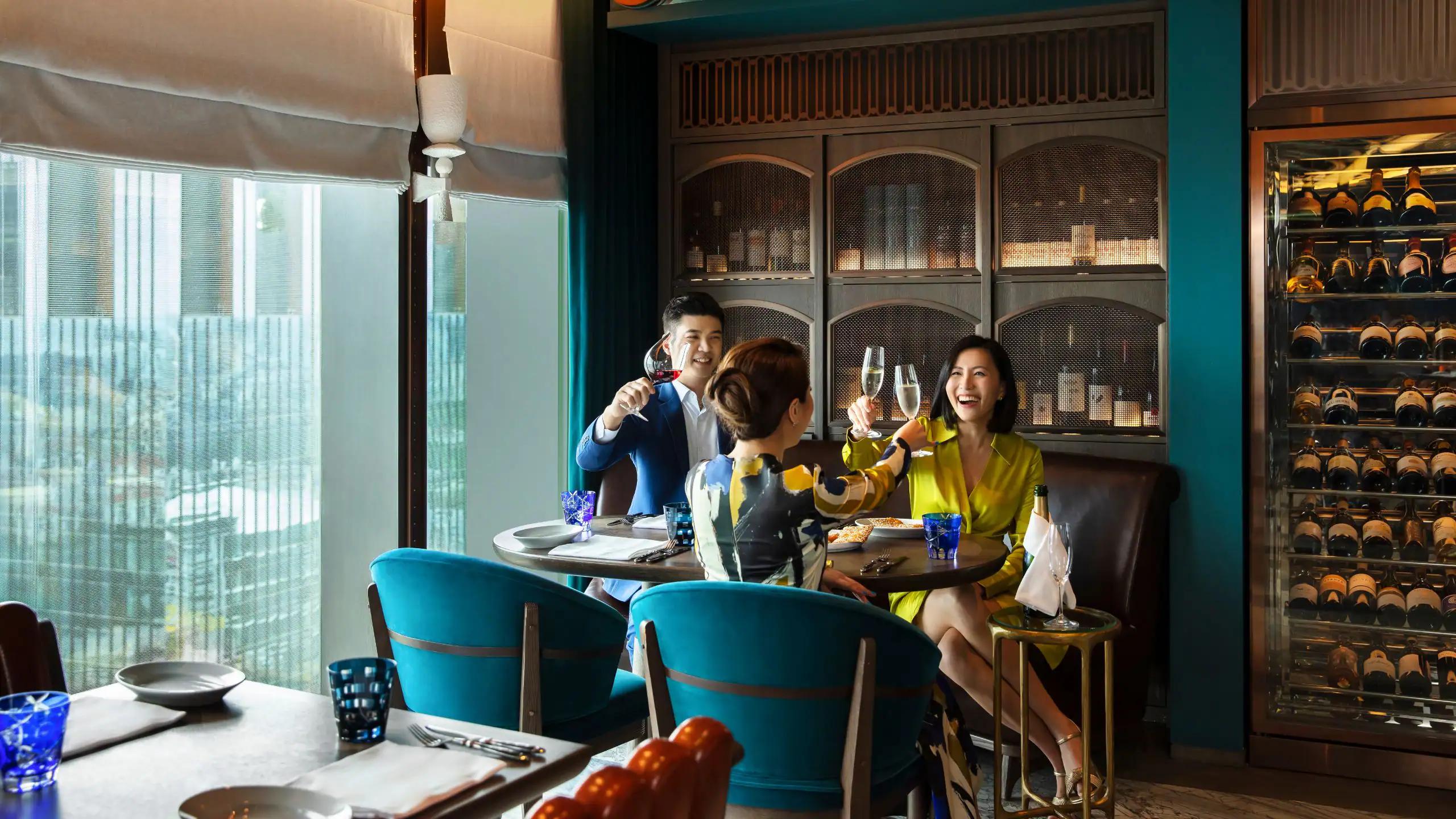
The role of food and beverage in hospitality continues to evolve.
Restaurants, rooftop bars and social venues are increasingly becoming part of the identity of lifestyle hotels.
For travellers, this creates more opportunities to experience a destination through food, design and entertainment.
For local communities, hotels can become places to meet, dine and spend time without necessarily booking accommodation.
For developers, the challenge is to create venues that offer genuine value within their surrounding markets.
A recognised chef, attractive interior or impressive view may encourage someone to visit for the first time. Consistent service, food quality and atmosphere influence whether they return.
As lifestyle hospitality develops, hotels that create meaningful connections between accommodation, dining and entertainment may be better positioned to establish distinctive identities.
At Geonet Properties, The Wylder reflects this approach through a development concept that brings together hotel accommodation and a range of planned lifestyle experiences.
The objective is to create a destination that visitors can enjoy for more than an overnight stay.
Hotel dining is becoming an increasingly important part of the modern hospitality experience.
From rooftop bars in Bangkok to chef-led restaurants in Sydney, hotels around the world are demonstrating how food and beverage can become central to their identities.
In Bali, The Wylder brings this thinking into an integrated lifestyle hotel concept in Berawa.
Through its planned accommodation, dining, entertainment and wellness facilities, the development reflects Geonet Properties' focus on creating hospitality destinations that offer experiences beyond traditional hotel rooms.
Explore The Wylder and learn more about Geonet Properties' approach to lifestyle hospitality in Bali.
For further reading, explore our original feature, When Hotel Dining Becomes the Destination.

Destination dining refers to a restaurant or food and beverage venue that attracts visitors specifically for its culinary experience, atmosphere or location. In hotels, these venues may appeal to both overnight guests and people who are not staying at the property.
Hotel restaurants are increasingly designed as distinctive dining destinations rather than facilities serving only overnight guests. Culinary concepts, rooftop settings, entertainment and design can make these venues appealing to wider audiences.
A hotel restaurant is located within a hospitality property, while a destination restaurant is a venue that people actively choose to visit for the experience itself. A hotel restaurant can also become a destination restaurant if it develops sufficient appeal beyond the hotel's accommodation guests.
Restaurants can contribute to a lifestyle hotel's identity, guest experience and food and beverage operations. They may also attract visitors from outside the property and provide opportunities for different activities throughout the day.
Many hotel restaurants and bars welcome visitors who are not staying at the property. Access, reservations and entry conditions depend on the individual venue.
Bali has a diverse dining and lifestyle market that attracts international travellers and local residents. For hotels, food and beverage concepts can contribute to the overall guest experience and help establish a property's identity within a competitive destination.
The Wylder in Berawa is being developed with food and beverage experiences as part of its integrated lifestyle hotel concept. Geonet Properties is working with Locavore Group on the development's food and beverage offering, alongside other planned hospitality and social facilities.
The Wylder is a lifestyle hospitality development by Geonet Properties in Berawa, Bali. SONO Hotels & Resorts has been appointed as the hospitality operating partner.
No. While food and beverage venues may contribute to a hotel's commercial activities, they also involve operating costs and risks. Their presence does not guarantee hotel profitability, investor income or capital growth.
You can visit the Geonet Properties website to explore developments including The Wylder and ELLE Resort & Beach Club, learn about their hospitality concepts and access project information.
This article is provided for general information purposes only and does not constitute financial product advice, a recommendation or an offer to invest. Investments involve risk, including the possible loss of capital. Investment income, distributions and capital growth are not guaranteed. Past performance and projections are not reliable indicators of future performance.