
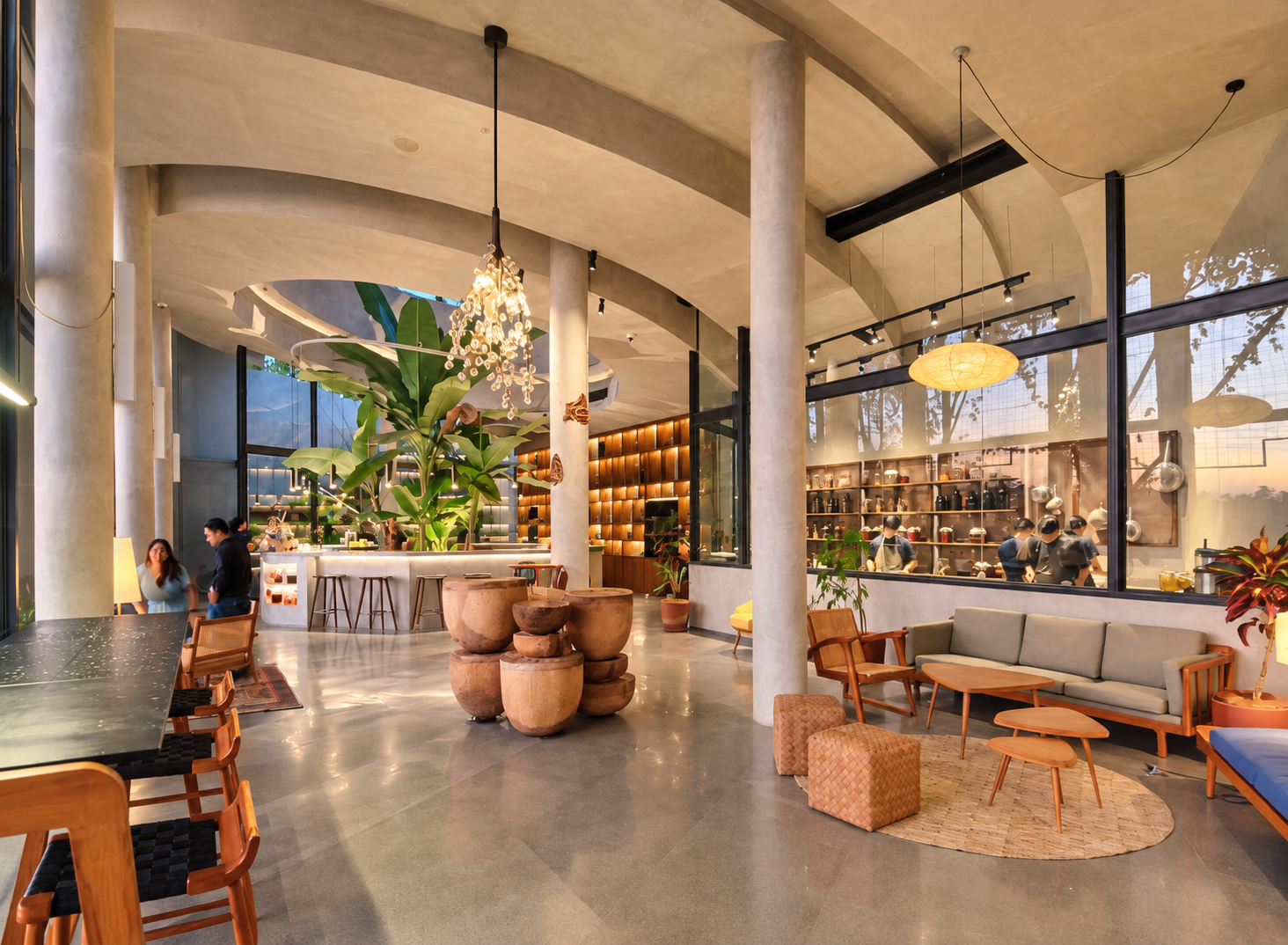
The best lifestyle hotels have worked something out: you don't need to be sleeping upstairs to be a customer.
A great restaurant, rooftop bar or beachfront venue can bring locals through the door, attract travellers staying somewhere else and keep a hotel busy from morning until late at night. Increasingly, it can also influence where guests choose to stay in the first place.
JLL found that 50% of global travellers now make restaurant reservations before booking their flights, while 60% of luxury travellers prioritise hotels with great restaurants. Its analysis of high-end hotels also found that properties with prestige restaurants achieved 18.6% higher revenue per available room than comparable hotels without them.
Lifestyle hotels take the idea even further. JLL's Asia Pacific research found they generate around 30% more food and beverage revenue per occupied room than traditional hotels in the region, while achieving an average room-rate premium of around 10% to 11%.
The restaurant is no longer just downstairs. In some of the world's most interesting lifestyle hotels, it has become part of the reason people know the hotel at all.
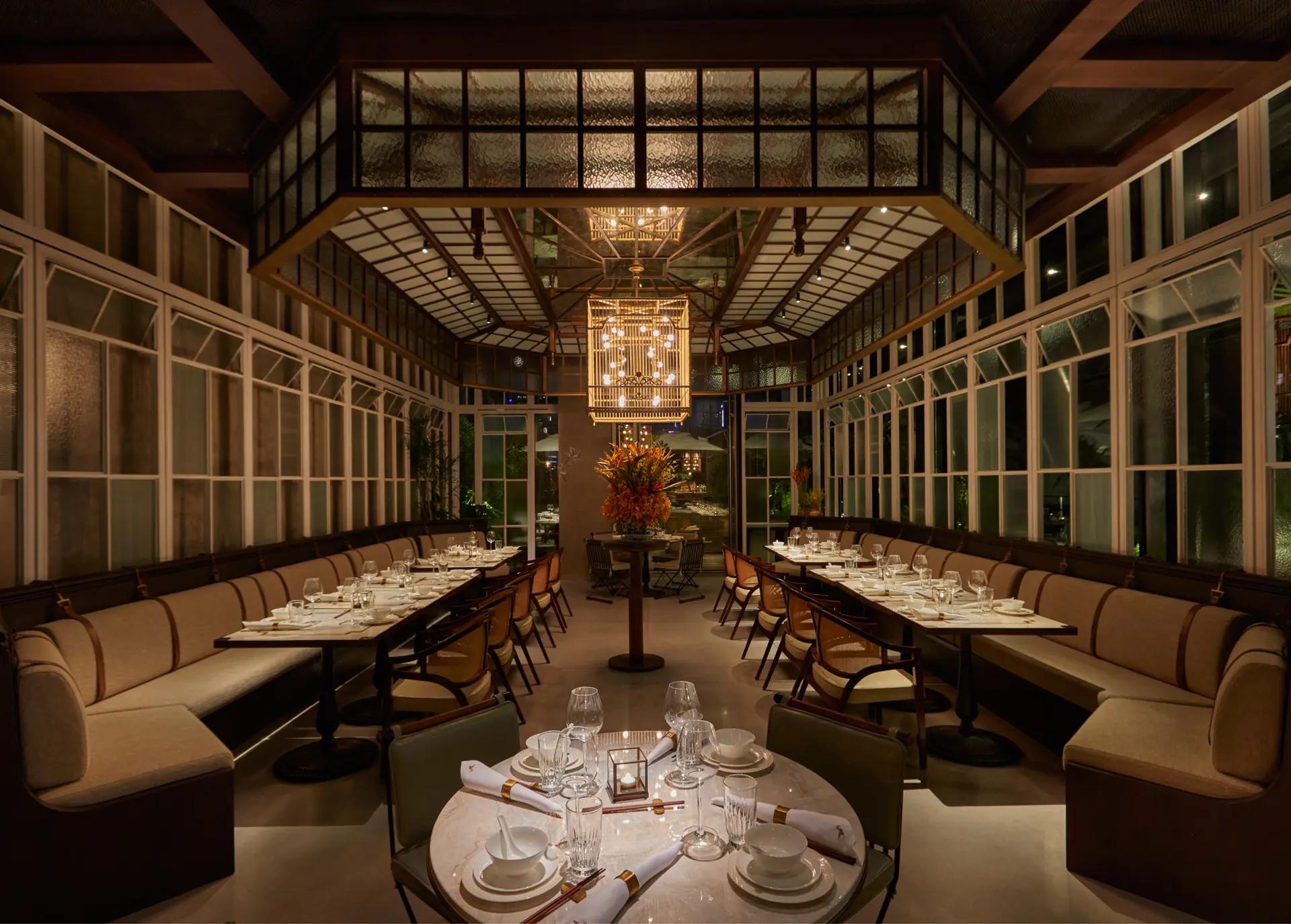
The Standard Bangkok Mahanakhon is one of the clearest examples. Ojo sits 76 floors above Bangkok, combining Mexican food, tequila and mezcal with enormous city views. Sky Beach takes over the rooftop, The Parlor moves between coffee, cocktails, live music and DJs, while The Standard Grill and Mott 32 offer completely different dining experiences again.
Someone can use The Standard several times without ever booking a room.
"The really good lifestyle hotels don't close themselves off to the city around them,” says Chad Egan, CEO, Geonet. You want locals coming for dinner, people meeting friends at the rooftop, guests staying for another drink instead of leaving the property. That's when a hotel starts to feel alive."
At The Standard Hua Hin, Praça occupies a restored heritage house by the beach, bringing together Thai food, cocktails, live music and events.
The same venue can move from lunch into sunset drinks, DJs, parties and larger events. One part of the hotel is doing several jobs, attracting overnight guests, locals and visitors for completely different occasions.
Baba Nest at Sri Panwa proves the destination doesn't necessarily have to be a restaurant.
Perched high above the Andaman Sea, the rooftop bar has become one of the property's signature experiences and somewhere people actively seek out whether or not they are staying at the hotel.
It is a useful reminder that F&B isn't only about food. Setting, music, design, views and atmosphere can become part of the hotel's identity.
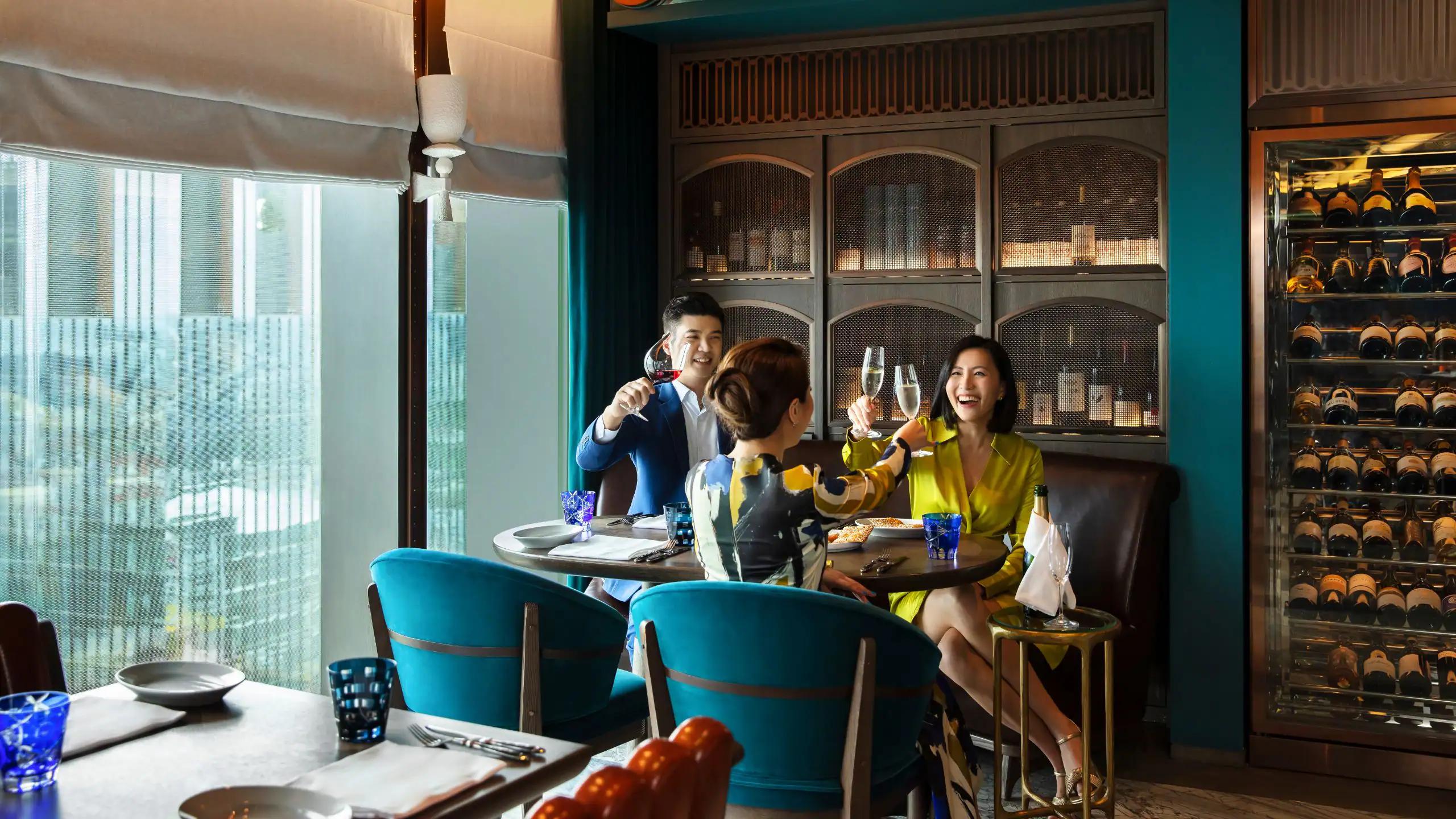
Andaz Singapore treats F&B as a collection of experiences rather than a single hotel restaurant.
Alley on 25 draws inspiration from Singapore's street-dining culture, while Mr. Stork turns the rooftop into a completely different environment with cocktails, gardens and panoramic city views.
The variety creates different reasons to visit at different times of day, for different audiences. That's particularly valuable for a lifestyle hotel trying to remain active well beyond breakfast and check-in.
Ace Hotel Kyoto takes the multi-venue approach even further. Mr. Maurice's is a neighbourhood-style Italian restaurant and rooftop cocktail bar. PIOPIKO brings Mexican-American food and drinks into a completely different environment, while Stumptown Coffee gives the hotel a casual daytime audience.
Each concept attracts a different customer. Coffee becomes meetings, lunch moves into afternoon drinks, and dinner can become cocktails and nightlife.
The hotel changes personality throughout the day.
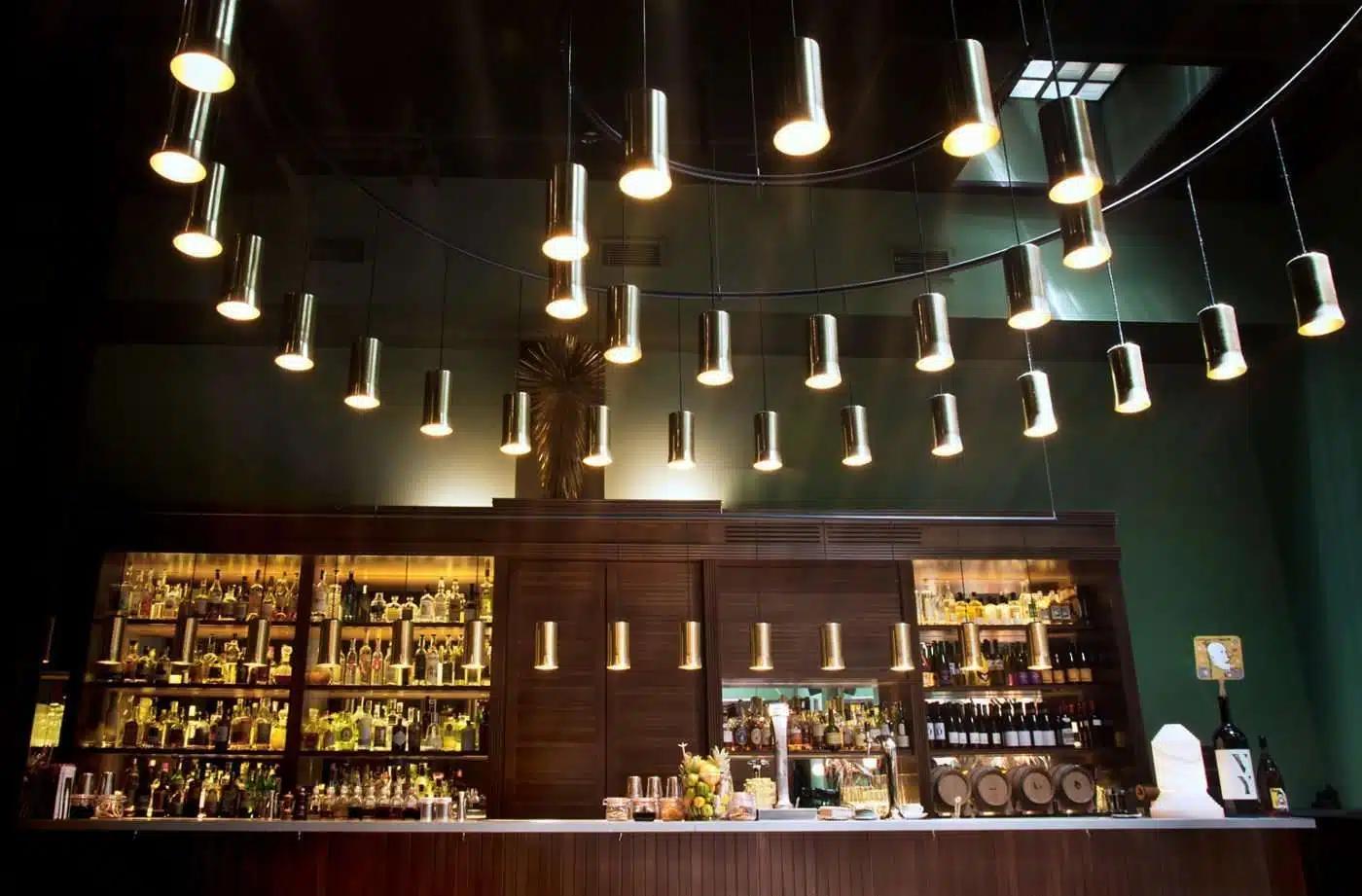
Casa Bonay was conceived as somewhere Barcelona residents would actually use, rather than an inward-looking hotel exclusively for travellers.
Libertine, its social hub, moves between food, cocktails, music, DJs and events. Bringing local residents into the property creates atmosphere for hotel guests while building a customer base that doesn't disappear every time someone checks out.
That relationship with the neighbourhood is becoming one of the defining characteristics of good lifestyle hospitality.
Ett Hem takes almost the opposite approach.
The small design-led Stockholm hotel, created with Ilse Crawford, was conceived around the feeling of an exceptionally beautiful private home. Its kitchen sits at the heart of the experience, with eating and drinking designed to feel relaxed and personal.
It proves lifestyle hospitality doesn't always require a rooftop DJ or giant beach club. What matters is having a clear identity, with food, design and the way people use the property all belonging together.
On the beachfront at Todos Santos in Mexico, Hotel San Cristóbal's restaurant, Benno, draws on Baja itself, with local seafood, Mexican flavours, regional wines and mezcal overlooking the Pacific.
There is nothing generic about it, which is precisely why it works. The restaurant belongs to its destination, giving hotel guests a stronger sense of place while providing locals and other travellers a reason to visit.
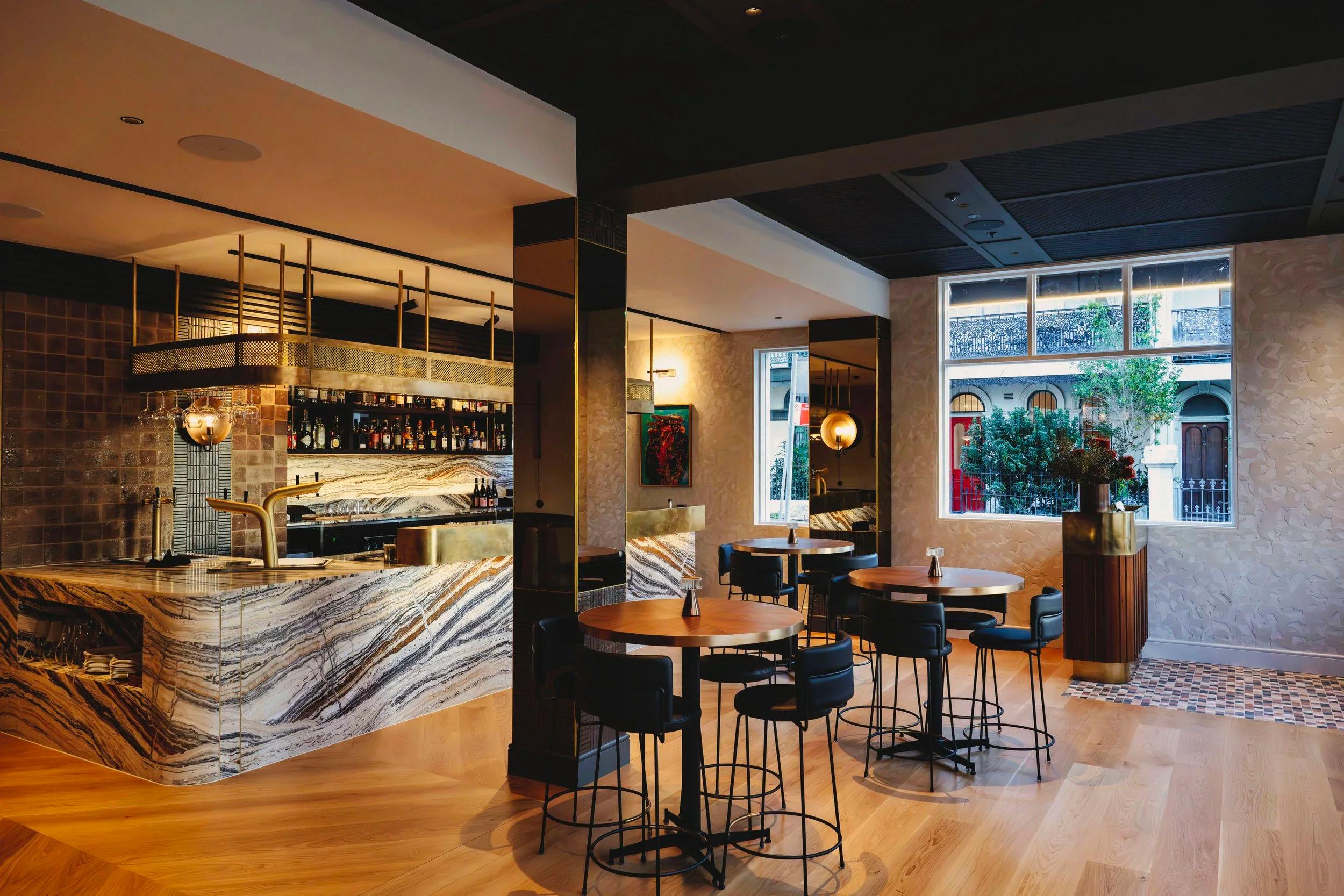
SaintPeter at The Grand National Hotel takes the idea almost to its logical extreme.
Chef Josh Niland's celebrated whole-fish restaurant is central to the identity of the property rather than an amenity added after the hotel was conceived.
It flips the traditional thinking. Instead of asking how a restaurant can support the hotel, it demonstrates what can happen when a culinary concept people already want to experience becomes part of the reason for the hotel itself.
These hotels are very different, but the thinking behind them is remarkably consistent.
They aren't treating F&B as somewhere to serve breakfast. Restaurants, rooftops, bars and entertainment bring in customers beyond the room count, create more opportunities for guests to spend and generate the atmosphere that makes a lifestyle hotel feel alive.
Egan continues, "When you're building a lifestyle hotel from the ground up, you can think about F&B completely differently. You're not asking where to put the hotel restaurant. You're asking what would make someone who lives ten minutes away want to come here on a Friday night."
That is why the JLL numbers around lifestyle hotels are so interesting. Higher F&B spend sits alongside higher average room rates, suggesting guests aren't simply paying for a better room. They are spending across the experience around it.
That thinking has been central to how we are developing The Wylder in Berawa.
Berawa doesn't need another restaurant. It already has one of Bali's most competitive dining and lifestyle scenes. Anything we create at The Wylder has to be good enough to compete for that audience, not simply rely on the people sleeping upstairs.
That is one reason we are developing the food and beverage experience with Locavore Group, the Bali-born hospitality group known for creating some of the island's most distinctive restaurant concepts.
The wider hotel follows the same philosophy. Dining sits alongside a rooftop bar, cinema, wellness, a 75-metre lagoon pool, retail, entertainment and social spaces. Each gives people another reason to arrive and another reason to stay.
For the business, it also creates the opportunity to serve an audience beyond hotel guests: Bali residents, visitors staying elsewhere, groups meeting for dinner and friends coming for drinks or entertainment.
The opportunity is to create a hotel that Berawa actually uses.
"For The Wylder, I want people staying somewhere else in Bali to say, 'Let's go there tonight.' That's the benchmark. If the restaurant, rooftop and entertainment are good enough to bring people in who don't have a room key, we've created something much more interesting than a hotel," says Egan.
The room matters, no doubt, but some of the world's most interesting lifestyle hotels are building an audience far bigger than the number of people who sleep there each night.
That is when the hotel itself becomes the destination.