Beachfront Resort Investment in Bali: A Guide for Modern Investors

Beachfront property has always been one of the world's most desirable real estate assets. In Bali, where millions of international visitors arrive each year, owning a property by the ocean represents more than a lifestyle purchase—it can also become part of a long-term investment strategy.
Today, beachfront resort investment in Bali is evolving. Rather than purchasing and managing a standalone villa, many investors are exploring professionally operated beachfront resorts that combine premium hospitality with property ownership.
For investors seeking passive income, exposure to Bali's tourism industry, and a professionally managed asset, beachfront resort developments offer an alternative to traditional residential investment.
This guide explains how beachfront resort investment works, why Bali remains one of Asia's strongest hospitality markets, and what investors should consider before making a decision.
Why Bali Continues to Attract Property Investors
Bali has built an international reputation as one of the world's leading tourism destinations. Its combination of natural beauty, established hospitality infrastructure, vibrant culture, and year-round visitor demand continues to attract both travellers and property investors.
Several factors contribute to Bali's long-term investment appeal:
- Strong international tourism demand
- Limited supply of true beachfront land
- A mature luxury hospitality market
- Growing interest from lifestyle investors
- Continued infrastructure improvements across the island
Unlike many holiday destinations that experience highly seasonal tourism, Bali benefits from visitor arrivals throughout the year, helping support accommodation demand across multiple market segments.
This sustained demand has encouraged developers to create premium beachfront resorts designed for both guests and investors.
What Is Beachfront Resort Investment?
Beachfront resort investment allows individuals to own part of a professionally managed hospitality development located directly on or near the beach.
Unlike purchasing a private villa that requires self-management or third-party rental management, resort investments are generally operated by experienced hospitality professionals.
The resort operator is responsible for:
- Guest bookings
- Marketing
- Reception and concierge services
- Housekeeping
- Maintenance
- Food and beverage operations
- Revenue management
For investors, this creates a more hands-off ownership experience while still providing exposure to Bali's thriving tourism economy.
Read more: Bali Resorts Beachfront Investment: The Rising Tide of Opportunity
Why Beachfront Locations Hold Long-Term Value
Not every property in Bali offers beachfront access.
Oceanfront land is naturally limited, making beachfront developments among the island's most exclusive real estate assets.
Several characteristics help support their long-term appeal:
Limited Supply
Beachfront land cannot be replicated. As more coastal areas are developed, opportunities to acquire premium beachfront property become increasingly limited.
Consistent Tourism Demand
Many travellers specifically search for beachfront accommodation when visiting Bali.
Properties with direct beach access often attract:
- International holidaymakers
- Luxury travellers
- Honeymoon couples
- Families
- Wellness tourists
Lifestyle Appeal
Beachfront resorts offer experiences that inland properties cannot replicate, including:
- Sunset views
- Oceanfront dining
- Beach clubs
- Water activities
- Wellness experiences by the sea
These features contribute to guest demand and support the overall attractiveness of premium hospitality developments.

Why Investors Are Choosing Resort Ownership Instead of Villas
For years, many investors purchased private villas as holiday rentals.
While villas remain popular, they also require significant ongoing management, including:
- Marketing
- Booking platforms
- Cleaning
- Staff management
- Maintenance
- Guest communication
- Pricing optimisation
Professionally managed beachfront resorts remove much of this operational responsibility.
Instead of running a hospitality business themselves, investors own an asset within an established resort operated by experienced hospitality professionals.
This model allows owners to focus on the investment while leaving daily operations to experts.
The Importance of Professional Resort Management
A beachfront resort is only as successful as the team operating it.
Professional hotel management can influence:
- Occupancy levels
- Guest satisfaction
- Online reviews
- Revenue optimisation
- Operational efficiency
- Brand reputation
Experienced operators typically implement global hospitality standards, helping maintain consistency across every aspect of the guest experience.
For investors, this can provide confidence that the property is being managed according to professional hospitality practices.
What Makes a Strong Beachfront Resort Investment?
Not every development offers the same investment fundamentals.
When evaluating opportunities, investors often consider several key factors.
Prime Location
The best-performing resorts are generally located close to:
- Popular beaches
- Dining precincts
- Entertainment
- Shopping
- International transport links
Areas with strong tourism infrastructure often experience higher visitor demand throughout the year.
Established Hospitality Partners
The experience of the hotel operator can significantly influence a resort's long-term performance.
An experienced hospitality brand may bring:
- International booking networks
- Revenue management expertise
- Operational systems
- Staff training
- Brand recognition
Diverse Revenue Streams
Modern beachfront resorts often generate income from more than accommodation alone.
Additional revenue sources may include:
- Restaurants
- Beach clubs
- Wellness facilities
- Spa services
- Events
- Function spaces
- Food and beverage experiences
A diversified hospitality model can help create multiple income opportunities across the property.
Premium Guest Experience
Luxury travellers increasingly expect more than just accommodation.
High-performing resorts often incorporate:
- Oceanfront restaurants
- Wellness facilities
- Swimming pools
- Fitness centres
- Concierge services
- Beach clubs
- Lifestyle experiences
These amenities help enhance the guest experience and contribute to the resort's overall appeal.
Read more: Beachfront Real Estate Investment: A Smart Move for Lifestyle and Incomes
Beachfront Resort Investment vs Traditional Property Investment
| Beachfront Resort Investment | Traditional Investment Property |
|---|---|
| Professionally managed | Often self-managed or outsourced |
| Hospitality-focused income | Residential rental income |
| Shared operational responsibilities | Owner responsible for management decisions |
| Guest services handled by operator | Owner manages tenant relationships |
| Access to hotel facilities | Limited lifestyle amenities |
Each investment model offers different advantages depending on an investor's objectives, preferred level of involvement, and long-term strategy.
Why Bali's Hospitality Sector Continues to Grow
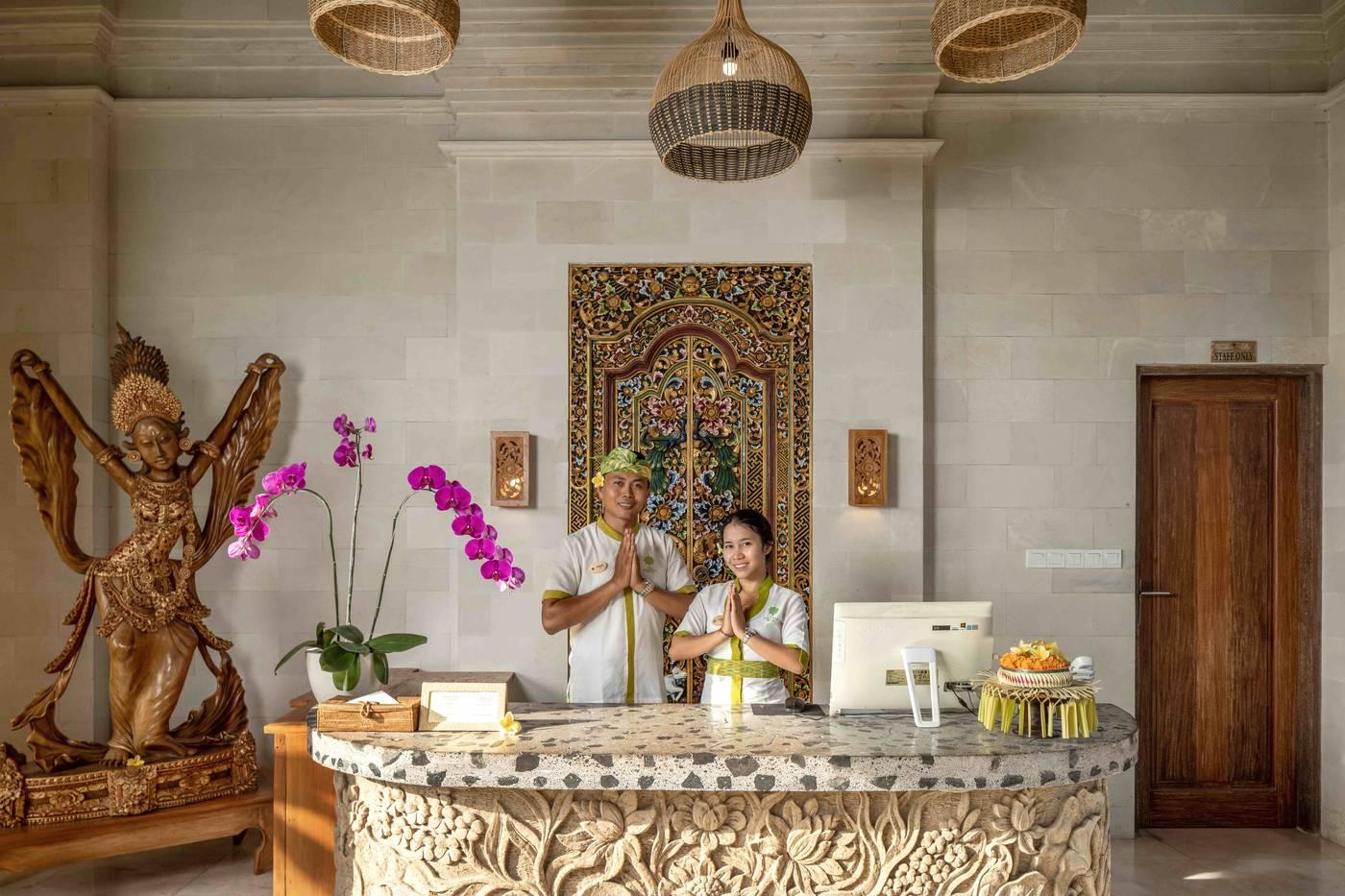
Bali has demonstrated remarkable resilience over decades as one of Asia's leading tourism destinations.
Several long-term trends continue to support hospitality investment:
- Growth in international travel
- Rising demand for luxury experiences
- Increasing popularity among remote workers
- Expansion of wellness tourism
- Continued investment in tourism infrastructure
These trends contribute to sustained demand for high-quality accommodation across the island.
A New Generation of Beachfront Resort Investment
Today's investors are increasingly looking beyond traditional buy-to-let property.
Professionally managed hospitality developments provide an opportunity to participate in Bali's tourism economy while benefiting from experienced operational management.
At Geonet Properties, projects such as ELLE Resort & Beach Club represent this next generation of beachfront hospitality investment.
Located in Seminyak, ELLE Resort & Beach Club combines luxury beachfront accommodation, internationally recognised hospitality partners, premium lifestyle amenities, and a professionally managed operating model designed for modern investors seeking exposure to Bali's hospitality market.
As with any investment, prospective buyers should obtain independent financial, legal, and tax advice to determine whether a particular opportunity aligns with their personal objectives.
Conclusion
Beachfront resort investment in Bali continues to attract investors seeking premium real estate backed by one of the world's most recognised tourism destinations.
Rather than managing a standalone holiday rental, professionally operated resort ownership allows investors to participate in Bali's hospitality industry through experienced management teams and established operational systems.
Whether your goal is portfolio diversification, lifestyle ownership, or long-term exposure to Bali's tourism market, beachfront resort developments offer a compelling alternative worth exploring.
Frequently Asked Questions
What is beachfront resort investment?
Beachfront resort investment involves owning a property or accommodation unit within a professionally managed resort located on or near the beach. The resort operator manages the day-to-day hospitality operations.
Is beachfront property in Bali a good investment?
Many investors consider beachfront property attractive because of its limited supply, strong tourism demand, and long-term lifestyle appeal. Individual investment outcomes will depend on the specific project and market conditions.
How is resort investment different from buying a villa?
With a resort investment, professional operators manage bookings, guest services, maintenance, and day-to-day operations. Villa owners are generally more involved in managing their property or appointing a third-party management company.
Why are beachfront resorts popular with tourists?
Beachfront resorts offer direct beach access, ocean views, lifestyle amenities, restaurants, wellness facilities, and convenient access to Bali's coastal attractions.
What should investors look for in a beachfront resort?
Important considerations include location, the experience of the hotel operator, development quality, ownership structure, available amenities, and the long-term demand for the destination.
Why is Bali considered a strong hospitality investment market?
Bali benefits from consistent international tourism, global brand recognition, limited beachfront land, growing luxury travel demand, and an established hospitality industry, making it one of Southeast Asia's most recognised tourism destinations.