
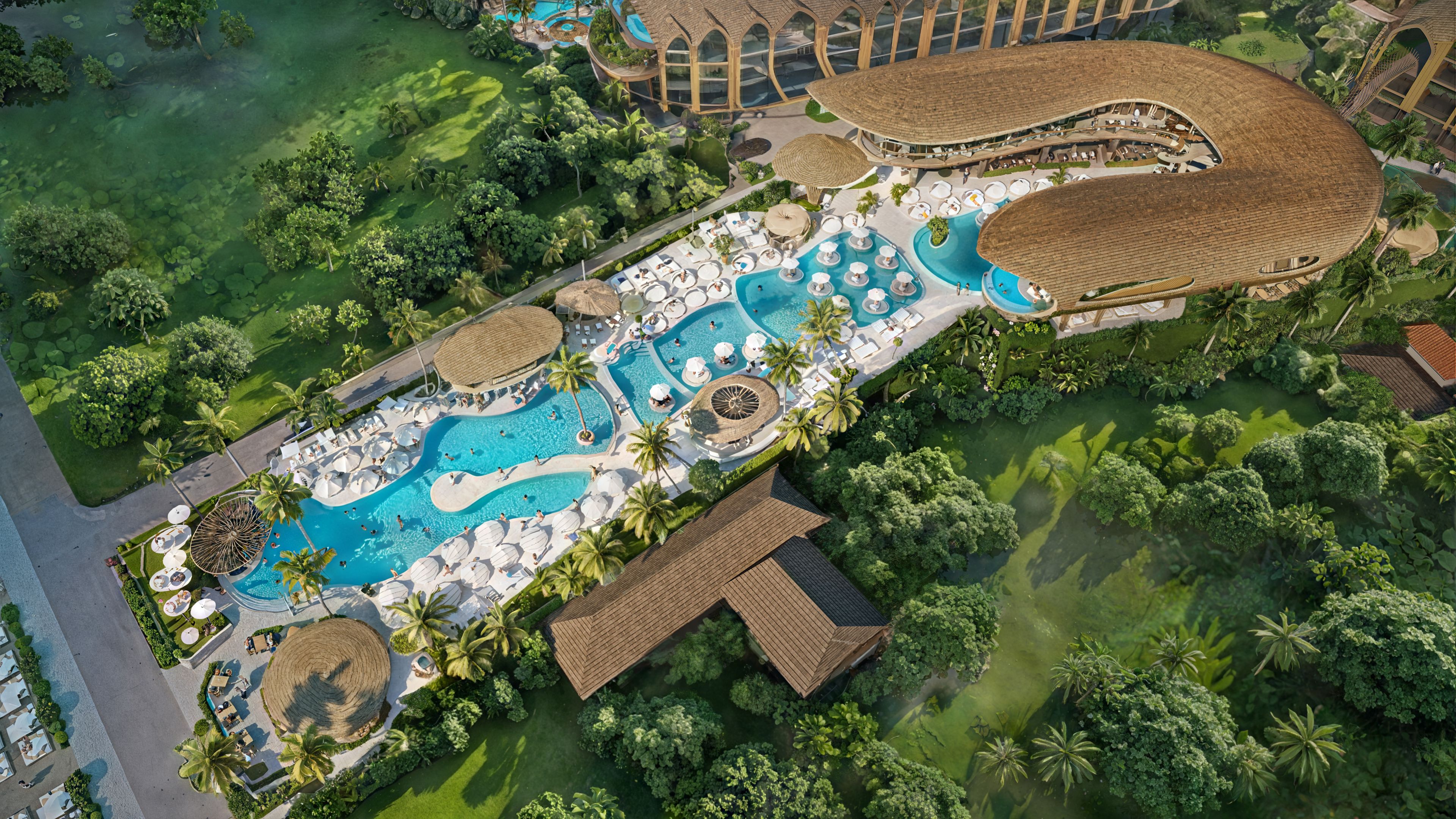
Bali’s beachfront resorts represent the perfect intersection of lifestyle and investment. With tourism above pre-pandemic levels and continued government support for new development, Bali beachfront resort investment is attracting international interest. Source the tourism figure with a link, or remove the claim. All investments carry risk. You may lose the money you invest.
The island’s unique charm — a blend of natural beauty, cultural richness, and world-class hospitality — continues to attract millions of travellers annually. This sustained tourism growth, coupled with limited beachfront land availability, has created a lucrative environment for investors looking to enter the hospitality and resort sector.
Indonesia’s Ministry of Tourism reported 7.7 million international arrivals in early 2024 — nearly double the previous year. This surge has strengthened occupancy rates and average daily room rates (ADR) across Bali’s most popular resort corridors.
According to JLL’s 2024 Asia Pacific Hotel Outlook, the hospitality sector in Indonesia is “poised for sustained investor confidence,” thanks to a strong domestic market and resilient international demand.
Meanwhile, EHL noted in its 2024 Southeast Asia Market Report that “Bali continues to redefine the leisure market with experience-driven stays, lifestyle resorts, and sustainable luxury developments.”
This performance has translated into exceptional investor sentiment. Resorts located directly on Bali’s beaches, especially in Seminyak, Canggu, and Uluwatu, consistently outperform inland properties in terms of occupancy, room rates, and long-term capital appreciation.
Mark Reed, Senior Property Advisor at Geonet Properties, says: “Beachfront hospitality assets are outperforming traditional villas and residential investments. The demand for luxury resort experiences continues to rise, and investors now view Bali as a global hospitality hub — not just a holiday destination.”
Read more: Bali Property Investment: 9 Statistics Shaping the Market
Foreign investors can’t directly own freehold land in Indonesia but can legally invest through the following structures:
Fractional resort ownership is gaining traction, letting investors co-own luxury assets and share profits from resort operations — a structure ideal for passive investors. This model allows individuals to invest in high-performing resorts without managing day-to-day operations, while still receiving a share of revenue and capital appreciation.
As Mark Reed adds: “Fractional investment offers the best of both worlds — it’s affordable, professionally managed, and provides investors with access to Bali’s booming resort sector.”
Bali’s beachfront land is finite and highly regulated, which keeps demand and prices high. Investors are drawn to these rare, irreplaceable assets for their consistent performance and capital growth.
Beachfront resorts regularly achieve higher ADRs and year-round occupancy compared to inland accommodations. Tourists are willing to pay a premium for direct beach access, ocean views, and exclusive amenities.
The rise of integrated resorts that combine beach clubs, wellness spas, rooftop bars, and fine dining experiences has transformed Bali’s hospitality landscape. These projects create multiple revenue streams, increasing long-term profitability.
Partnerships with international operators like SONO Hotels bring professional management, established marketing networks, and trusted service standards — all of which drive higher occupancy and investor confidence.
According to EHL, travellers increasingly prioritise sustainability, wellness, and experiential design. Resorts that embrace eco-friendly architecture and local cultural integration outperform competitors in both reputation and profitability.
While Bali resorts beachfront investment offers attractive incomes — often 8–15% annually — investors should perform thorough due diligence. This includes verifying land titles, ensuring regulatory compliance, confirming operator credentials, and reviewing lease agreements carefully.
Working with licensed consultants such as Geonet Properties ensures transparency and legal protection throughout the process. From contract verification to tax planning, professional guidance is essential to safeguard your investment.
Infrastructure upgrades are driving Bali’s next phase of expansion. Projects like the North Bali Airport, Gilimanuk-Mengwi Toll Road, and Bali Rail Link are set to boost accessibility, tourism flow, and real estate values.
JLL forecasts a 20% increase in resort transaction volumes by 2025 as institutional investors re-enter the market. Additionally, the Indonesian government’s ongoing push for digital land registration and simplified foreign ownership laws signals a long-term commitment to attracting global investment.
Bali’s continued evolution from a leisure island to an international investment destination is transforming the hospitality landscape. Investors who enter early are positioned to benefit from capital appreciation and recurring income as demand for premium resorts continues to rise.
EHL Hospitality Business School concludes: “The next decade will see Bali’s transformation into a lifestyle-driven investment destination, where luxury, culture, and sustainability converge to create long-term value.”
Read more: Overseas Property Investment: Our Top FAQs Answered!
Yes. Bali offers one of Asia’s strongest hospitality markets with high occupancy, attractive yields, and stable long-term demand.
Foreigners cannot own land outright but can legally invest through leasehold, Hak Pakai, PT PMA, or fractional investment structures.
Incomes typically range between 8–10% annually, depending on project location, management, and occupancy performance.
Seminyak, Canggu, Uluwatu, and Sanur are top-performing regions due to strong tourism infrastructure and high ADR potential.
The main risks include legal compliance, currency fluctuations, and developer credibility. Partnering with trusted advisors like Geonet Properties mitigates these risks.
Fractional investment allows investors to own part of a resort or hotel property, sharing profits from daily operations and asset appreciation. It’s a low-risk, high-income model designed for global investors.
Yes. Many fractional and leasehold resorts allow limited personal stays per year, with the unit available for rental income when not in use. Rental income depends on occupancy.
Consult with property experts or licensed developers like Geonet Properties who can guide you through ownership options, legal compliance, and project selection.
Whether through fractional ownership or full ownership, Bali beachfront resort investment is one option for international investors. All investments carry risk. You may lose the money you invest. For more information please read the Product Disclosure Statement. As the island continues to attract international tourism and investment, now is the perfect time to secure your position in Bali’s thriving hospitality market.
At Geonet Property & Finance Group (GPFG), we help investors navigate the complexities of Indonesian property law and connect them to high-performing opportunities like ELLE Resort & Beach Club Bali — a luxury beachfront project backed by global partners.
“Our goal is to make investing in Bali’s hospitality sector seamless and transparent,” says Mark Reed. “With Geonet, you gain access to properties managed by world-class hospitality brands, with rental income and personal-use entitlements set out in your contract."
Partner with Geonet to explore beachfront opportunities across Bali. Rental income depends on occupancy and operating performance. All investments carry risk. You may lose the money you invest. For more information please read the Product Disclosure Statement.
Book a call today and begin your journey toward owning a share of Bali’s most iconic beachfront resorts.