
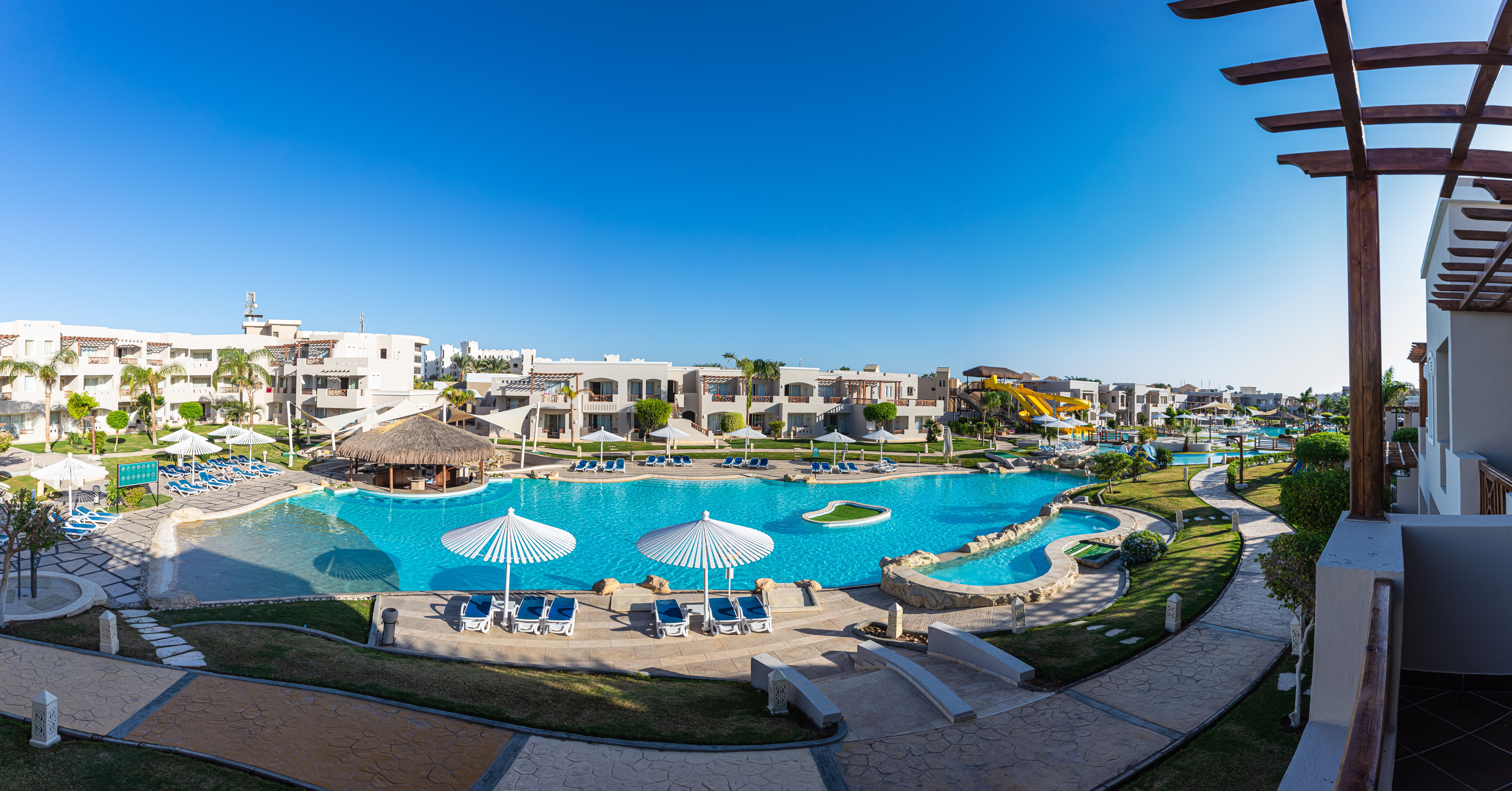
As traditional property markets become more unpredictable, a new frontier in real estate has emerged—buying resort property. Luxury resort investments are outperforming conventional residential and commercial assets, fuelled by a surge in global tourism, limited supply, and the rise of experience-led travel. Investors are now turning to lifestyle resorts as not only a safe store of wealth but also as high-yielding assets with global appeal.
According to Colliers’ Asia Pacific Hospitality Insights, resort assets—especially in premium tourism markets like Bali—are seeing double-digit growth in both occupancy and daily rates. JLL’s global hotel investment forecast points to a 15–25% rise in transaction volumes this year, with luxury resorts leading the way. So, what’s behind this trend, and why is now the time to buy resort property?
Today’s travellers no longer seek just a place to sleep, they want an experience. Lifestyle resorts answer this demand by offering immersive, thoughtfully designed spaces where luxury meets local culture. These properties blend high-end hospitality with curated amenities like farm-to-table dining, art-inspired interiors, and wellness retreats.
As a result, lifestyle resorts command higher daily rates, attract longer stays, and earn repeat guests at rates significantly above traditional hotels. Research indicates that in 2026, lifestyle properties will make up over 23% of all new resort openings worldwide, which is a major jump from just 11.7% in 2000. This strong guest appeal translates to exceptional value and ongoing growth for investors buying resort property.
While residential property values fluctuate with interest rates and economic cycles, luxury resorts have demonstrated impressive resilience. High-end resort properties held or increased their value during three of the past four major economic slowdowns, according to Colliers.
This is largely because affluent travellers continue to prioritise travel and wellness, even during uncertain times. When stock markets dip, holidays and spa weekends rarely do. Combined with restricted land supply in key tourism destinations, this demand ensures long-term appreciation.
Resort properties offer one of the most consistent and diversified income streams in the real estate world. Unlike residential investments, which rely heavily on monthly rent, resorts generate income from a variety of sources: room bookings, dining, spa services, retail, events, and even branded merchandise.
Well-managed resorts with high occupancy and strong food and beverage offerings can deliver 8–10% annual incomes, compared to just 3–4% on traditional residential assets in cities like Sydney or Melbourne. In markets like Bali, where tourism is booming, buying resort property means tapping into steady income that’s both inflation-resistant and sustainable over the long term.
Read more: Buying Property with SMSF: All the Pro’s and Con’s
Experience-driven travel is no longer a trend, it’s a global movement. A study by American Express Travel revealed that nearly 80% of affluent travellers now prioritise experiences over material purchases. Resorts that provide immersive, emotional, and authentic moments—like a beachfront yoga retreat or a chef-led dining experience—are capturing a growing share of this market.
In today’s luxury market, thoughtful curation is as vital as five-star service. More than 90% of high-end travellers say their best trips feel seamless yet intentionally designed, while 89% value hotels that reflect the character of the local destination.
Investors buying resort property benefit from this shift. Properties with strong experiential offerings generate longer average stays, higher per-guest spend, and stronger online reviews—boosting both revenue and asset value over time.
One of the most critical factors in the success of a resort investment is the quality of its operator. A beautifully designed resort may underperform if it lacks strong management, marketing, and revenue planning. That’s why it’s essential to partner with globally recognised hospitality brands.
At Geonet, we work with world-class operators like SONO Hotels & Resorts and TUI Blue. These brands bring deep market knowledge, operational systems, and trusted global distribution channels. TUI manages over 400 resorts worldwide, while SONO Hotels is expanding rapidly across Southeast Asia, backed by one of the world’s largest travel networks. This level of operational excellence ensures investors see strong incomes
and consistent guest satisfaction.
The advantage of owning resort property lies in its multi-stream income model. Resorts generate revenue beyond room rates—from high-margin restaurant services and luxury spa offerings to weddings, conferences, and entertainment venues.
This diversified structure means investors are less exposed to market dips. A slowdown in bookings can be offset by a surge in F&B sales or wellness treatments. This kind of financial stability, sometimes called the “cash flow advantage,” is a core reason resort investments outperform traditional property classes.
For example, luxury resorts in Bali reported an 8.9% increase in ADR (Average Daily Rate) in Q4 2025, with RevPAR for lifestyle properties beating midscale hotels by more than 30%. These figures reflect the strength of operational revenue in enhancing income on investment.
Luxury resort properties not only offer strong income—they also appreciate significantly over time. In supply-constrained, tourism-driven markets like Bali, land prices are rising steadily, especially in beachside areas. With government restrictions on overdevelopment, new luxury supply remains tight, driving up values of existing assets.
The Colliers Report showed a 3.7% increase in occupancy across Bali and nearly 9% growth in ADR. These indicators point to higher valuations, and many resort properties are now being snapped up well before construction even finishes. For investors, this means the chance to realise both short-term rental incomes and long-term capital appreciation.
Several converging forces make 2026 a golden window for buying resort property. Global tourism has not only recovered—it’s booming, with 4.8 billion room nights booked in 2024. Meanwhile, institutional funds are heavily targeting high-end resorts, with 75% of hotel investors shifting capital into the luxury segment, according to CBRE.
At the same time, the number of new luxury resort openings remains limited. In Bali, only a handful of ultra-luxury properties are slated for launch in the next two years—yet demand from emerging markets like India, South Korea, and Southeast Asia continues to rise. This imbalance creates ideal conditions for those entering the market early.
One of the biggest shifts in 2026 is how accessible resort investments have become. Today, investors no longer need to purchase entire developments or even a villa to participate in resort incomes. With fractional investment and single-room ownership models, you can buy into a luxury resort with a much smaller capital outlay—while still enjoying a share of operational revenue, capital appreciation, and usage benefits. It’s hotel ownership, redefined.
Whether you’re exploring fractional ownership or seeking a full asset acquisition, our team at Geonet is here to connect you with the best opportunities in the global resort market. From beachfront suites in Seminyak to upcoming lifestyle destinations in Berawa, we offer exclusive access to high-performing assets that combine investment potential with lifestyle appeal.
Get in touch today to learn how buying resort property can secure your financial future.
Read more: Check In. Cash Out: Why Investors are Turning to Resort Investment