
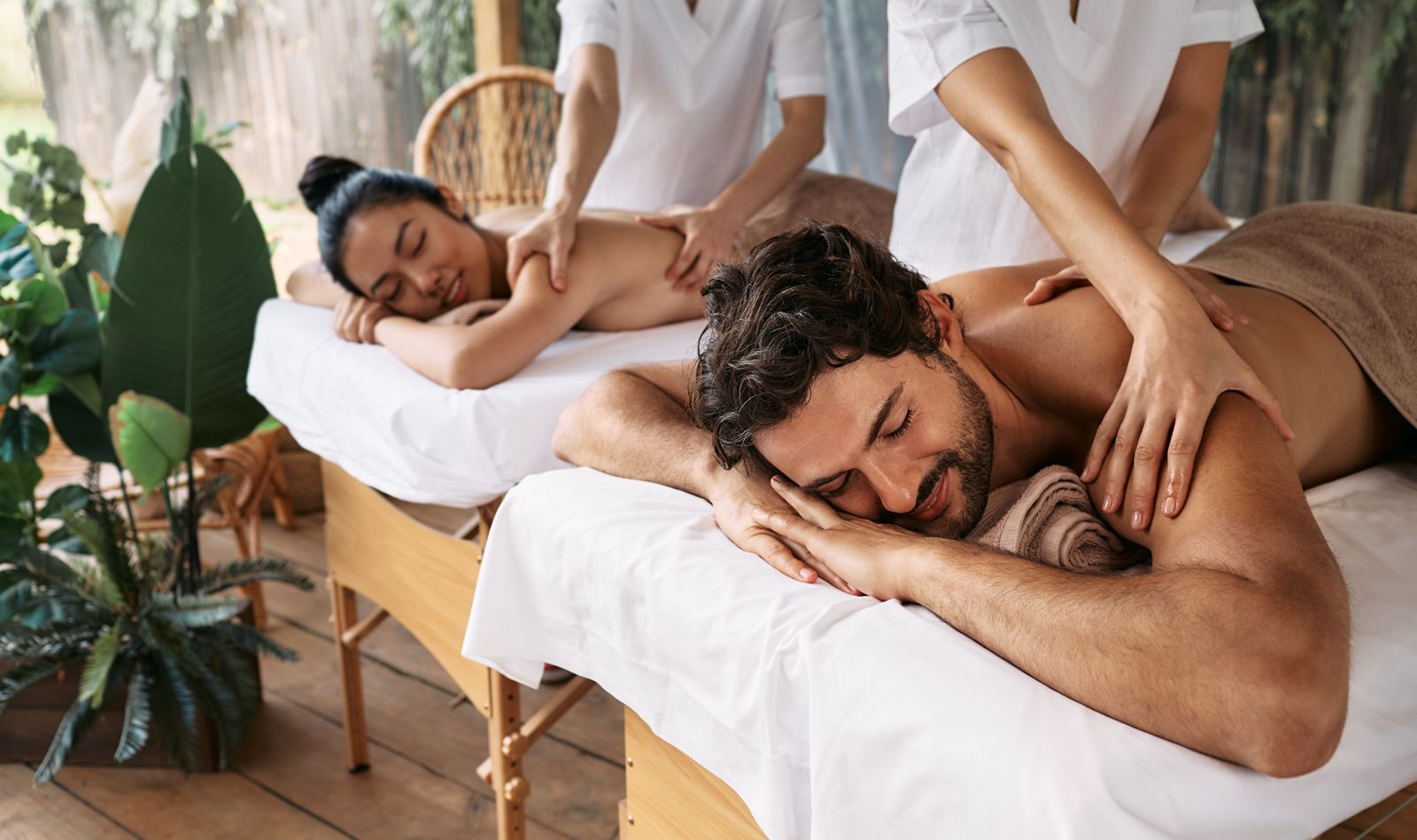
Pick your side: the hotel market is splitting between guests who want a bed for the night and those willing to pay more for the experience around it. The latest numbers suggest the second group is gaining ground.
Recent hotel performance is showing an increasingly clear divide between the premium and economy ends of the market. CBRE's latest outlook is one example: luxury hotel revenue per available room is forecast to grow 5.2% in 2026, while economy hotels are expected to decline 0.6%.
The same preference for premium accommodation is appearing in global traveller research. People haven't stopped spending on hotels. They are becoming more selective about where they spend it, and increasingly willing to pay more when the room, the hotel and the experience feel worth it.
For us, this isn't an entirely new story. We have been writing about the growth of lifestyle hotels and experience-led hospitality for several years. What is interesting in 2026 is how much of the latest research is reinforcing what we were already seeing.
One of the clearest changes is happening at the point of booking. SiteMinder's latest Changing Traveller Report, based on almost 12,000 travellers across 14 countries, found that 58% now choose Superior or Luxury rooms rather than Standard rooms, up four percentage points in a year.
The regional numbers are particularly relevant to Bali. Indonesian travellers choose above-standard rooms 74% of the time, while Australians do so 60% of the time. With Australia consistently Bali's largest international visitor market and Indonesia itself an important domestic market, those preferences are worth paying attention to.
There are also signs that the room itself is becoming a bigger part of the holiday. Travellers aren't simply choosing a destination and then looking for somewhere acceptable to sleep. More are allocating their budget towards better accommodation and the experience that comes with it.
That doesn't necessarily mean every guest wants a larger room, but it supports something we have been watching for some time: premium travellers increasingly expect more from the space they stay in, as well as more from the hotel around it.
It is one of the reasons we have placed so much emphasis on room size and design at both ELLE Resort & Beach Club and The Wylder. Both have been designed with more generous accommodation, including loft-style options that give families and groups the ability to stay together with more space, while still having all the amenities and services of a hotel around them.
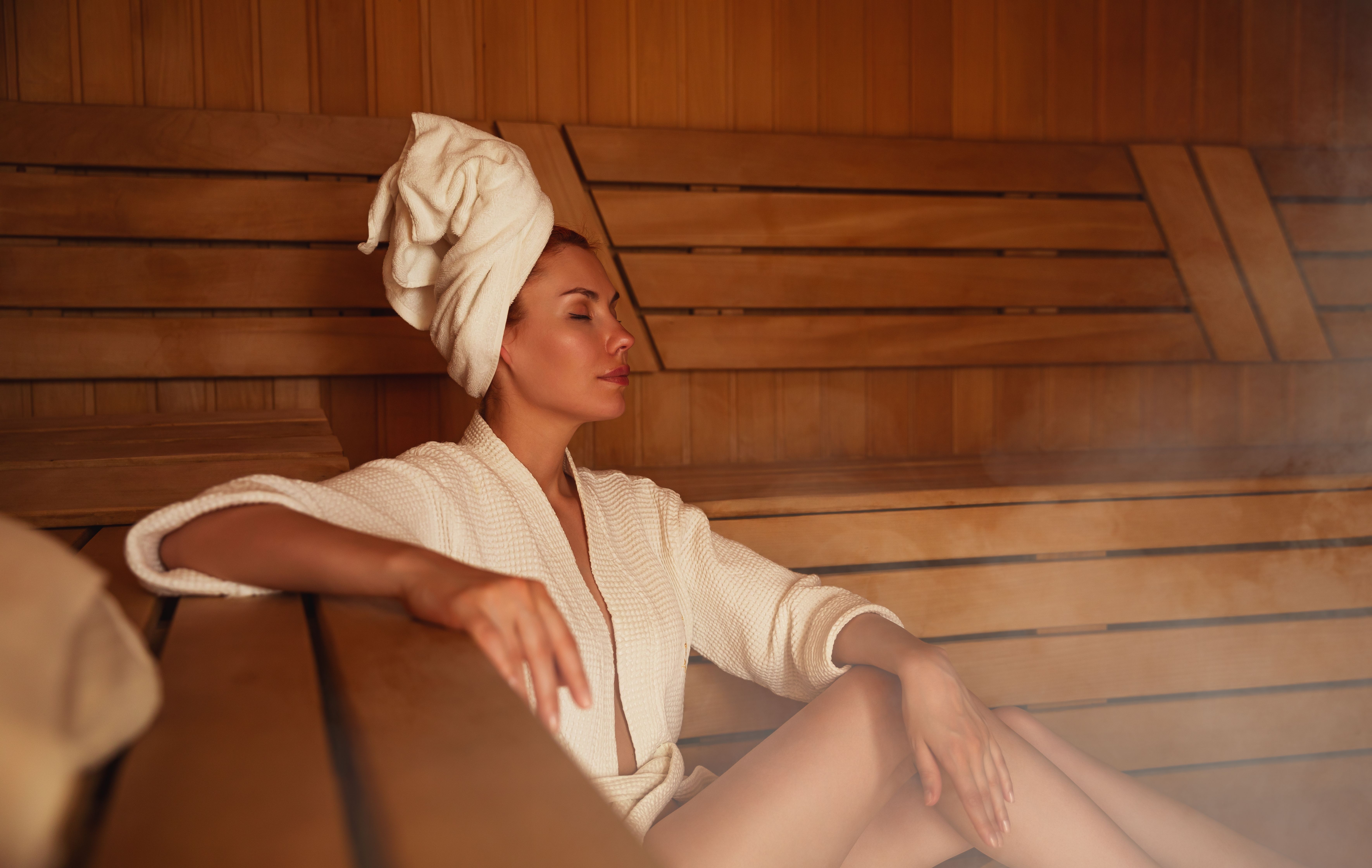
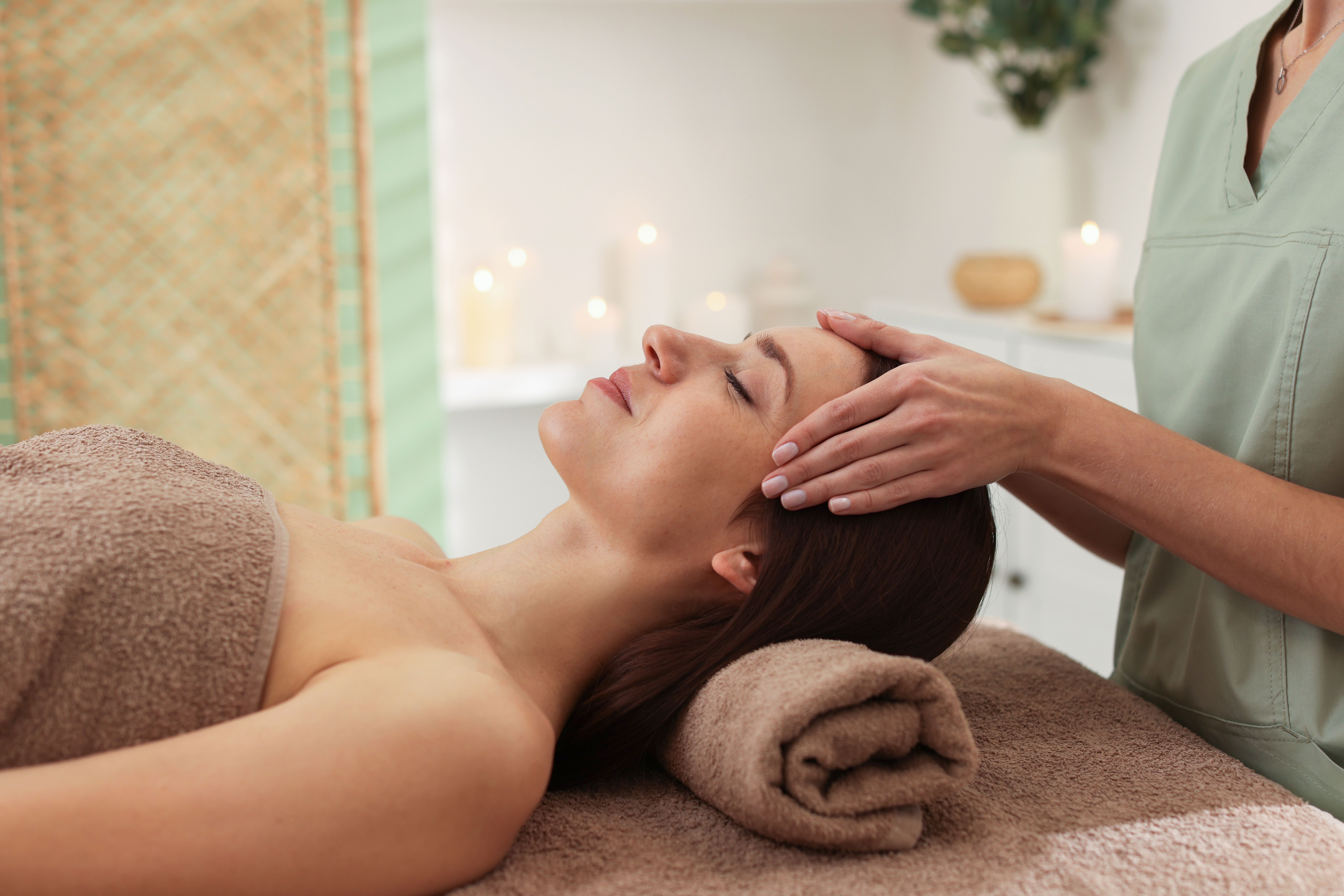
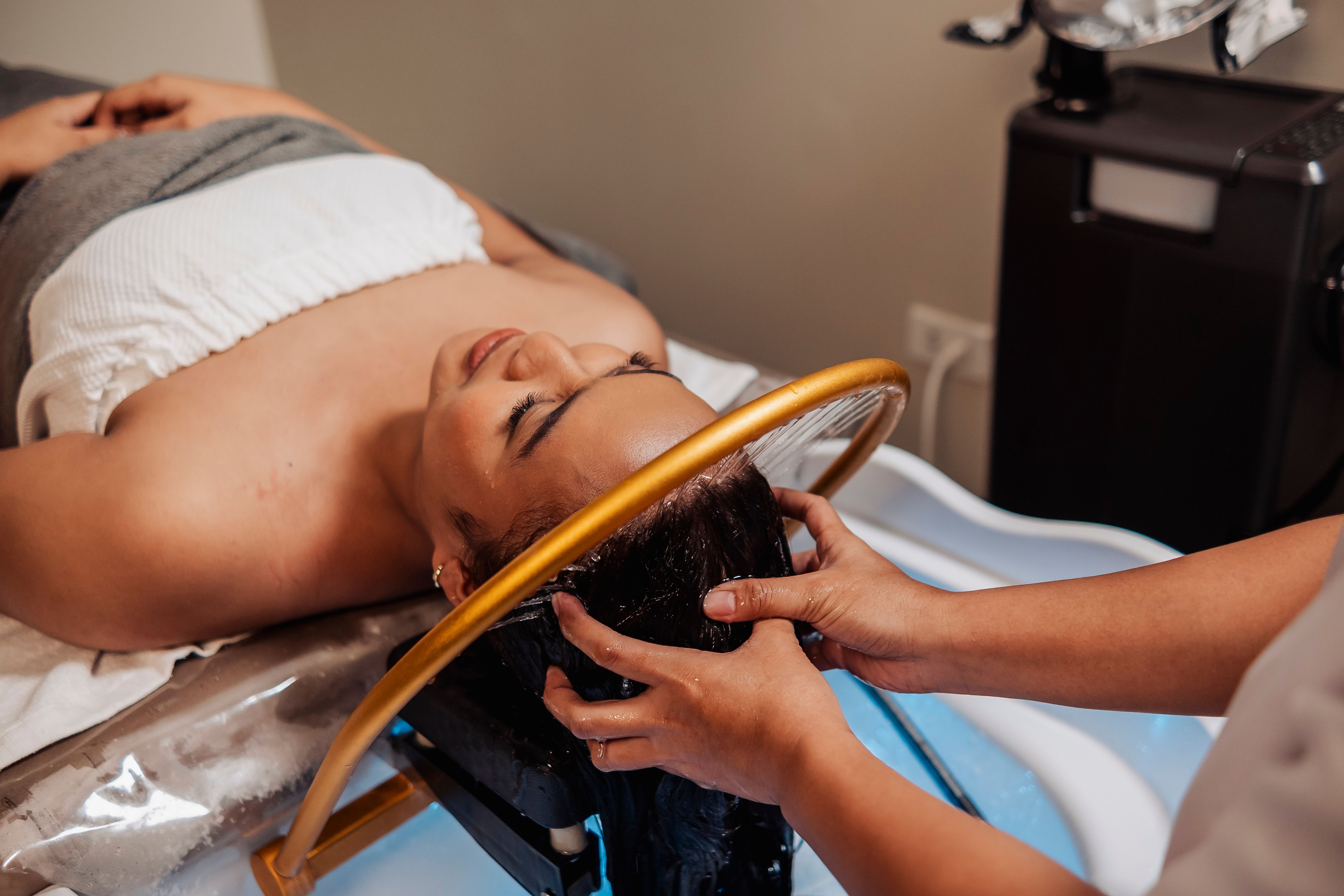
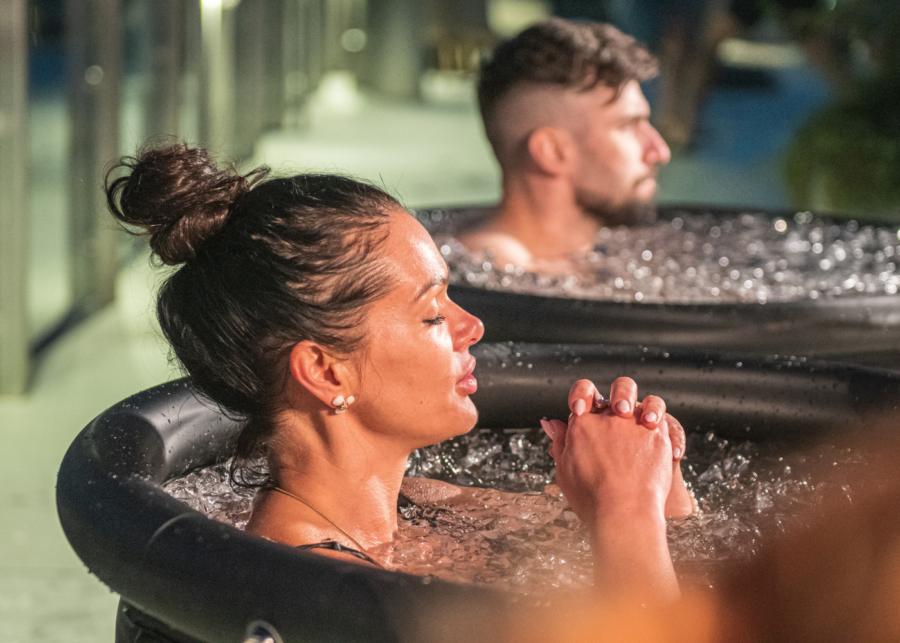
The same change is happening with wellness.
A decade ago, the hotel wellness offer was relatively predictable: a spa, a massage menu, perhaps a gym and a healthy breakfast option. Today's traveller is looking much further than that.
Sleep, recovery, fitness, nutrition and longevity are increasingly becoming part of the hotel experience. Guests aren't necessarily looking for a few hours of relaxation; many want to return home feeling better than when they arrived.
That changes the role wellness plays within a hotel. Done properly, it becomes part of why someone chooses the property in the first place and part of what they are prepared to spend on once they arrive. Research shows wellness travellers spend considerably more per trip than the average international tourist, which helps explain why so many new lifestyle hotels are treating wellness as part of the core product rather than an amenity added downstairs.
For hotels, that also creates more ways to build a relationship with the guest beyond the room itself.
Food and beverage is following much the same path. A good hotel restaurant used to be something guests expected to find downstairs. Increasingly, the restaurant itself is part of the reason they choose the hotel.
JLL found that luxury and upper-upscale hotels with prestige restaurants generate 18.6% more RevPAR than comparable hotels without one. Across Asia, some of the region's leading hotels show exactly what this looks like:
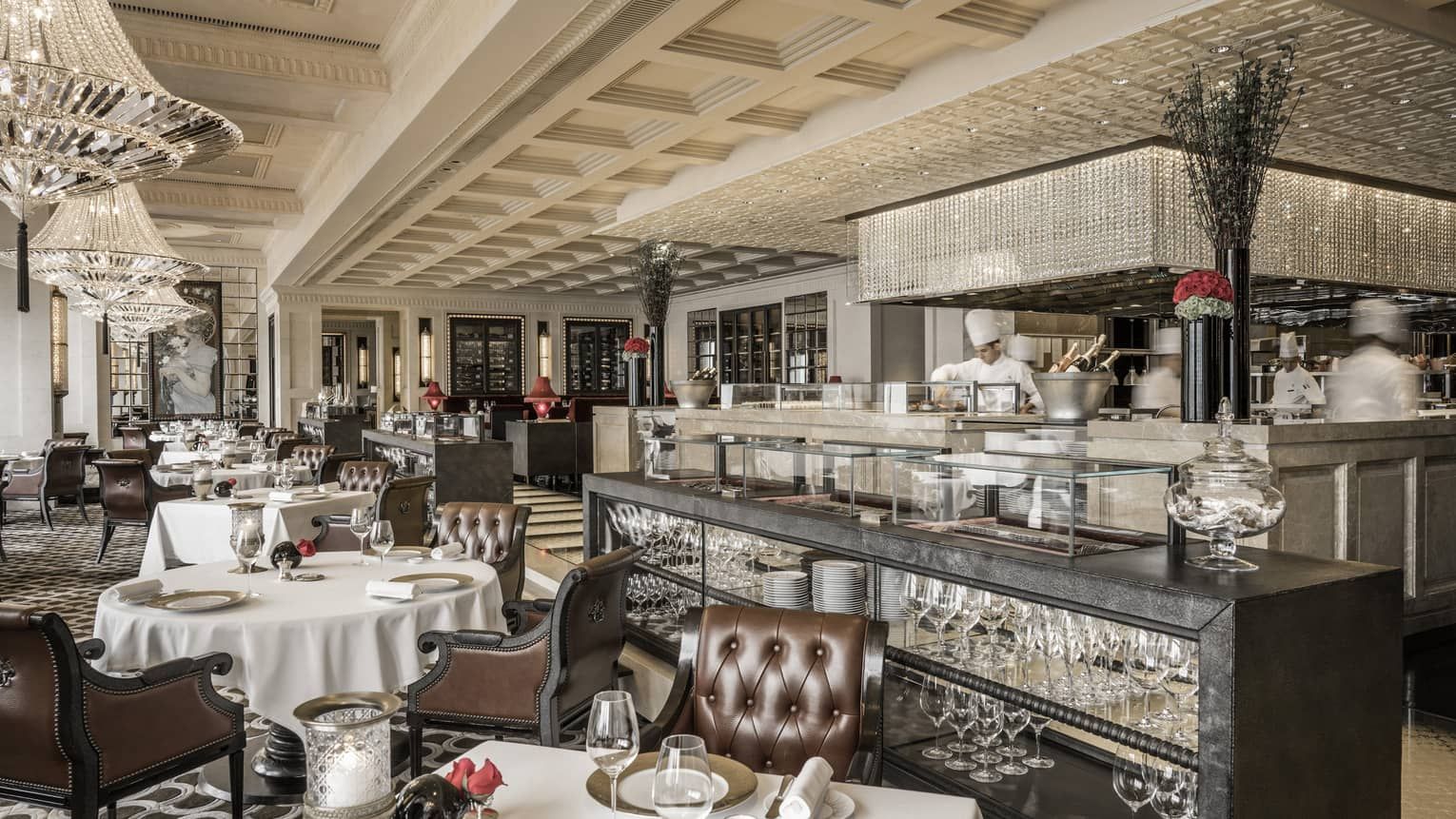
These restaurants aren't simply amenities for people who happen to be staying upstairs. They attract local diners, become part of the hotel's identity and give travellers another reason to choose one property over another. In a competitive resort market, a restaurant or beach club with its own following can also bring people into the property who never check in, creating revenue and atmosphere beyond the room business.
That is particularly relevant in destinations such as Bali, where eating, drinking and socialising are a major part of the holiday itself. The restaurant is no longer there just to serve the hotel guest. Done well, it can help create the hotel guest in the first place.
We have been writing about this shift for some time. Earlier JLL research into Asia Pacific lifestyle hotels found that the category was achieving an average room-rate premium of around 10% to 11% over traditional hotels, alongside approximately 30% more food and beverage revenue per occupied room.
Those findings were interesting because they put numbers behind something already visible across the industry. The strongest lifestyle hotels weren't simply charging more for nicer rooms. They were creating more reasons for guests to spend across the property.
That's an important distinction.
A lifestyle hotel isn't a conventional hotel with a fashionable restaurant, a DJ by the pool and some good interior design. When the concept works properly, accommodation, dining, wellness, entertainment, design and social spaces all contribute to the experience of staying there.
The latest research adds another layer to that story. SiteMinder is now seeing guests actively trading up their room category, while other research points to the growing importance of wellness and destination dining. Different studies are effectively describing different parts of the same traveller: someone willing to spend more when they believe the experience justifies it.
These aren't trends we've only started watching in 2026. The growth of lifestyle hotels, the importance of food and beverage and wellness, and the willingness of guests to pay more for differentiated experiences have been influencing our thinking for several years. What makes the latest research interesting is how strongly guest behaviour is now reinforcing those earlier signals.
ELLE Resort & Beach Club, our flagship on Batu Belig Beach in Seminyak, has been designed as a lifestyle destination, with the beach club, restaurants, wellness, retail and social spaces all forming part of the resort experience. The beach club isn't something sitting beside the hotel; it is part of the reason to be there.
The Wylder in Berawa takes that thinking in a different direction. As an active-lifestyle hotel, wellness is integrated throughout the property rather than treated as a standalone amenity. Food and beverage is equally important, with dining being created alongside Locavore Group, the Bali-born hospitality team behind Nusantara and Night Rooster.
Room design matters within both concepts too. More generous rooms and loft-style accommodation give couples, families and groups more flexibility in how they stay, without asking them to choose between having more space and enjoying the restaurants, wellness, service, social atmosphere and other amenities of a lifestyle hotel.
The latest research doesn't change why we're building these projects. It gives us more evidence that the guest we designed them for is becoming increasingly important.
The trade-up in hospitality has continued through higher interest rates and a softer global economy, while the development pipeline across Asia Pacific continues to lean towards premium and lifestyle hotels. That doesn't mean every expensive hotel will perform, or that adding a restaurant and wellness centre suddenly makes a property a lifestyle hotel.
The more interesting change is in what guests appear willing to pay more for. The room still matters, but so does what happens outside it: where they eat, how they spend the afternoon, whether there is a social scene, what wellness means beyond the spa, and whether the hotel itself becomes part of the reason for travelling.
We have been watching that shift for several years. The latest numbers suggest it still has some way to run.