News · Resorts and beach clubs
The Future of Hospitality: 7 Trends to Watch in 2027
Explore seven hospitality trends shaping 2027, from branded lifestyle hotels and wellness tourism to AI, sustainability and changing guest expectations.

From the evolution of branded hotels and wellness-led travel to artificial intelligence and experience-driven destinations, the next chapter of hospitality is already taking shape.
The hospitality industry is entering a new chapter. Travellers are becoming more selective about where they stay, what they spend their money on and what they expect from a hotel. At the same time, international lifestyle brands are expanding into hospitality, technology is reshaping the guest journey, and developers are rethinking what a hotel can be.
Luxury is no longer defined exclusively by marble bathrooms, spacious suites or five-star service. Increasingly, it is about individuality, access, atmosphere and experiences that are difficult to replicate elsewhere.
For hotel operators, developers and investors, these changing expectations present both opportunities and challenges. Understanding where hospitality is heading could be just as important as understanding how it performs today.
As we look towards 2027, here are seven trends worth watching.
1. Lifestyle hotels will become destinations in their own right
The distinction between a hotel and a lifestyle destination is becoming increasingly blurred. In 2027, more hospitality developments could bring together accommodation, dining, entertainment, wellness and social experiences, creating destinations that appeal to both overnight guests and the wider community.
The idea of choosing a hotel simply because it is close to a tourist attraction is evolving. In some cases, the hotel itself is becoming the attraction.
Travellers might choose a property because of its signature restaurant, architectural design, beachfront setting or entertainment programme. The hotel becomes part of the reason for travelling rather than simply somewhere to stay.
This approach also creates opportunities for hospitality businesses to engage with a broader audience, including visitors who never actually book a room. By offering destination dining, wellness facilities and entertainment experiences, hotels can establish themselves as part of the wider social and leisure landscape.
For developers, the challenge will be creating a collection of experiences that feel connected rather than simply adding more facilities to a property.
2. Luxury and fashion brands will continue to explore hospitality
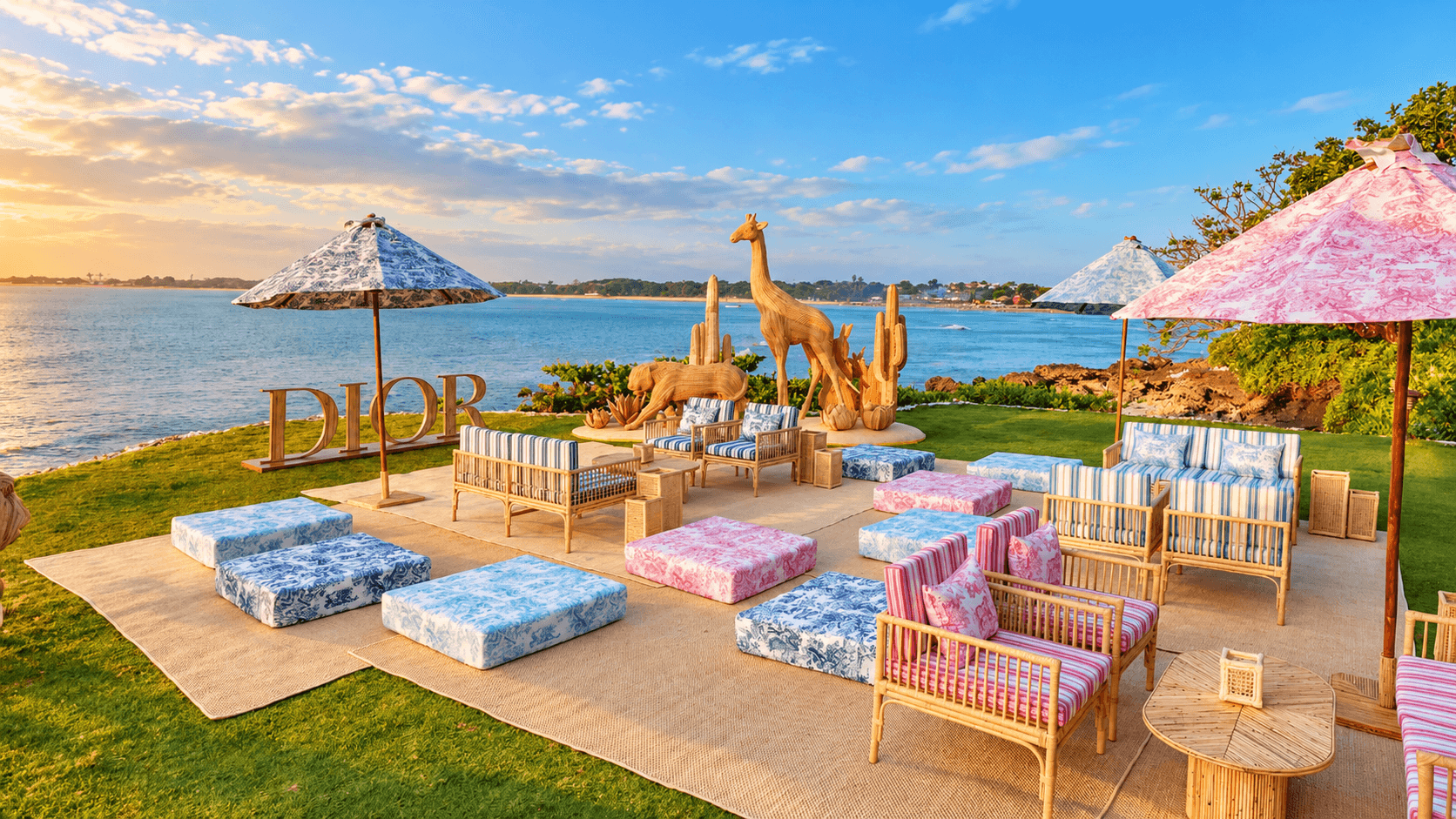
Hospitality is becoming a natural extension for luxury fashion, design and lifestyle brands. As we move into 2027, branded hotels and resorts could become increasingly prominent as established brands look to translate their identities into physical spaces, personalised services and immersive experiences.
Armani, Bulgari, Versace and other internationally recognised names have already demonstrated how a brand can extend beyond traditional luxury products into hospitality.
A hotel offers something that a handbag, watch or piece of clothing cannot: the opportunity to spend several days immersed in a brand's world. Everything from the architecture and interiors to the dining concepts, music and service can communicate a distinctive identity.
This evolution is also reaching destinations such as Bali, where international lifestyle brands are finding opportunities to combine their identities with the island's established hospitality culture.
For hospitality developers, an established brand can offer recognition and differentiation in a competitive market. However, the strength of a branded hotel ultimately depends on how successfully that identity is translated into the guest experience.
A recognisable name may attract attention, but the quality of the experience is what gives guests a reason to return.
Read more: Why Armani, Bulgari and Other Luxury Brands Are Betting on Hospitality
3. Wellness will move beyond the traditional hotel spa
Wellness tourism is expected to influence hotel design, dining, guest services and recreational facilities in 2027. Rather than treating wellbeing as an occasional spa treatment, hospitality operators are exploring ways to incorporate movement, nutrition, sleep and recovery into the entire guest experience.
This is encouraging hotels to think beyond treatment rooms and traditional fitness centres. Dedicated Pilates studios, hydrotherapy facilities, sleep-focused accommodation, recovery spaces and nutrition-conscious restaurants are becoming part of a broader hospitality offering.
Wellness is also becoming more social. Guests may want to start their morning with a group fitness class, spend the afternoon relaxing by the pool and finish the day with a restorative treatment.
For destinations such as Bali, where wellness is already closely connected to the island's tourism identity, this trend presents an opportunity to develop hospitality experiences that balance relaxation, movement and entertainment.
The next generation of wellness hotels may not necessarily be dedicated wellness retreats. They could be lifestyle hotels where wellbeing is naturally integrated into everyday experiences.
4. Artificial intelligence will transform the guest journey, but human hospitality will still matter
Artificial intelligence is expected to play a greater role in how travellers research destinations, compare hotels, personalise itineraries and communicate with hospitality providers in 2027. However, genuine human interaction, local knowledge and personalised service will remain important differentiators, particularly within the premium hospitality sector.
Booking a hotel may increasingly begin with a conversation rather than a traditional search.
Instead of browsing dozens of websites, travellers can ask AI platforms to recommend accommodation based on their interests, budget, preferred atmosphere and travel habits.
For hotels, this changes how properties are discovered. Clear information, distinctive experiences, credible guest reviews and a strong digital presence could become increasingly important.
Yet technology has its limitations. The most effective hospitality businesses may be those that use technology to remove unnecessary friction while preserving the human interactions that make travel memorable.
A digital assistant might help organise a restaurant reservation, but a knowledgeable concierge who understands the destination can provide something different: personal insight, thoughtful recommendations and genuine connection.
In luxury hospitality, technology should make service feel more effortless, not less personal.
5. Local culture will become a greater part of luxury hospitality
Travellers are increasingly looking for hospitality experiences that reflect the culture, architecture, cuisine and traditions of the destinations they visit. In 2027, hotels with a distinctive sense of place could become more appealing to guests seeking meaningful experiences rather than standardised international luxury.
There was a time when international luxury hotels were valued for their familiarity. Guests knew what to expect, regardless of whether they were checking into a property in London, Singapore or Bangkok.
Today, familiarity can still be reassuring, but individuality is becoming increasingly valuable.
For hospitality developers, this creates opportunities to collaborate with local designers, artists, chefs and communities. A hotel in Bali might incorporate Indonesian craftsmanship, locally inspired architecture, regional ingredients and cultural experiences while maintaining international hospitality standards.
The objective is not simply to decorate a hotel with local influences. It is to create an experience that feels genuinely connected to its surroundings.
After all, if a luxury hotel feels exactly the same everywhere in the world, what makes travelling somewhere new so compelling?
6. Shorter, more intentional holidays will influence hotel design
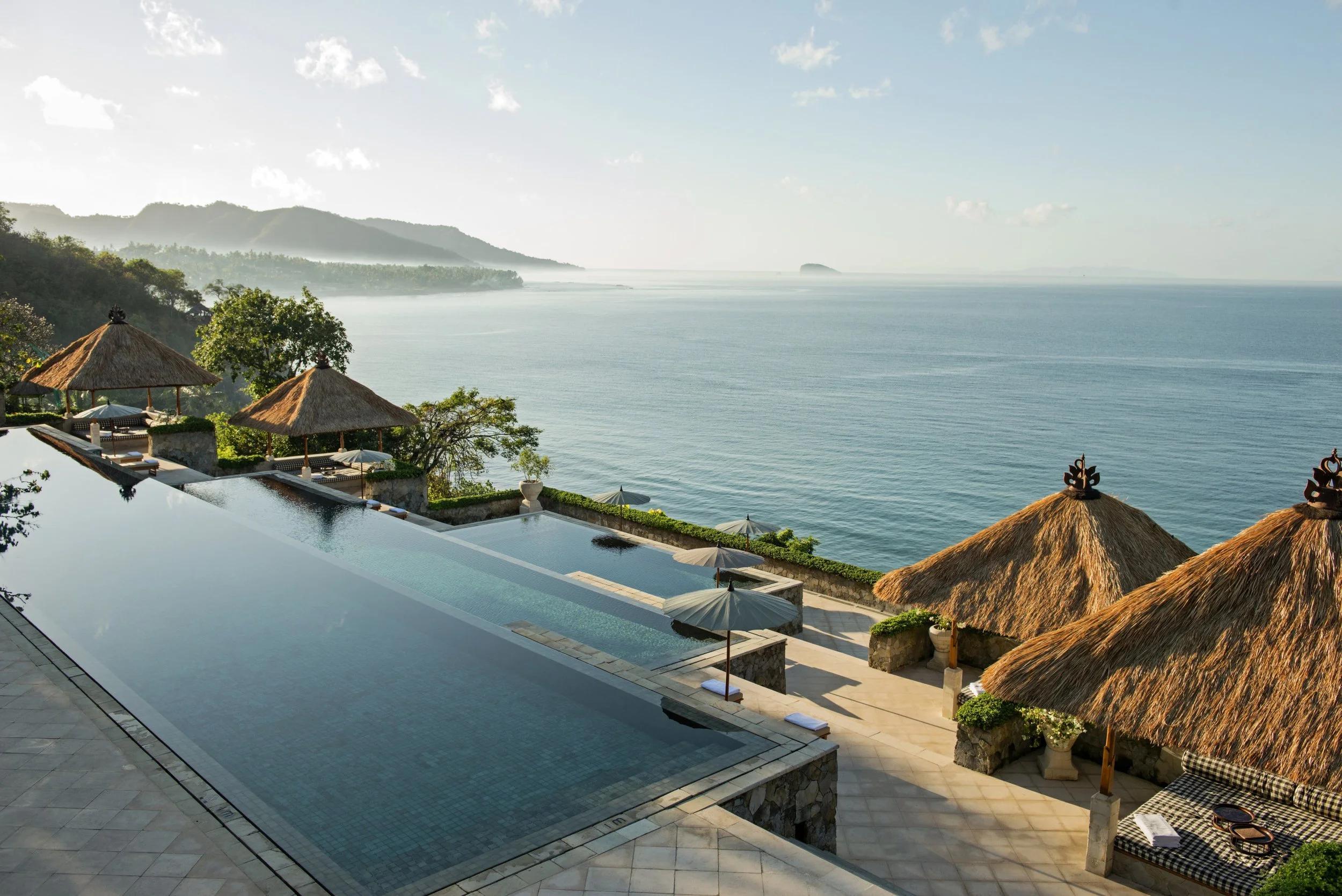
Shorter and more intentional holidays could influence hospitality in 2027 as travellers balance work, family commitments and personal interests. Hotels that offer convenient access to dining, wellness and entertainment within one destination may appeal to guests looking to make the most of limited time away.
The traditional two-week holiday is no longer the only way people approach international travel. Some travellers are planning long weekends around a restaurant they want to visit, a music event they want to attend or simply an opportunity to recharge.
This could have interesting implications for lifestyle resorts.
When guests have only three or four days to enjoy a destination, convenience becomes particularly valuable. Having quality restaurants, leisure facilities, wellness experiences and entertainment within the same property can make a short holiday feel more complete.
For Asia-Pacific destinations such as Bali, which are accessible from several major regional markets, this style of travel could be particularly relevant.
Rather than positioning themselves exclusively around longer holidays, hotels may increasingly develop experiences designed for weekend escapes, celebrations, wellness breaks and special occasions.
7. Sustainability will become more integrated into the guest experience
Sustainability is likely to remain an important consideration in hospitality development in 2027, with greater attention to energy efficiency, water management, responsible sourcing and architectural design. The challenge for operators will be integrating environmentally responsible practices into the guest experience without compromising comfort, convenience or quality.
For years, hotel sustainability initiatives were often most visible through small requests in guest rooms: reuse your towels, reduce laundry or avoid unnecessary plastic consumption.
The opportunities now extend much further. Architectural design can influence natural ventilation, daylight and energy consumption. Landscaping can incorporate native vegetation and water-efficient systems. Restaurants can work with local producers, while hotel operations can adopt more effective waste management practices.
In tropical destinations, these considerations are particularly important because the natural environment is often central to the destination's appeal.
A beachfront resort, for example, depends not only on the quality of its facilities but also on the attractiveness and long-term health of its surroundings.
For developers and investors, resource efficiency can also have commercial implications. Electricity, water, maintenance and waste management all contribute to a property's operating expenses.
Sustainability should therefore be considered as part of long-term hospitality planning, rather than simply a marketing message.
What could these hospitality trends mean for hotel investors?
The hospitality trends emerging for 2027 highlight the importance of evaluating a hotel as a complete business rather than simply as a collection of rooms. Brand positioning, guest experiences, operational efficiency and professional management could all influence a property's long-term competitiveness.
Experience-led hospitality, branded resorts and integrated wellness facilities present opportunities to differentiate developments and engage with a broader customer base. Meanwhile, technology and sustainability are becoming increasingly important considerations in hotel operations and long-term planning.
For investors, understanding a hotel's target audience, revenue streams, brand identity and operating strategy can provide a more comprehensive perspective on its commercial potential.
While these trends present opportunities, they do not guarantee investment performance. Each development must still be assessed on its location, commercial feasibility, operating structure and associated risks.
The future of hospitality is about how people want to live
Perhaps the most interesting development heading into 2027 is that hospitality is becoming increasingly connected to the way people want to live.
People want to travel without abandoning their wellbeing routines. They want technology that makes life easier without replacing human connection. They want luxury that feels individual rather than predictable, and experiences that stay with them long after they return home.
For the hospitality industry, the opportunity is not simply to build bigger hotels, offer more facilities or introduce the latest technology. It is to understand why people travel and what makes an experience worth remembering.
The hotels that stand out in the years ahead may not necessarily be the biggest, the most expensive or the most technologically advanced.
They may simply be the ones that understand their guests best.
ELLE Resort & Beach Club: bringing the future of lifestyle hospitality to Bali
Several of these emerging hospitality trends are reflected in the vision behind ELLE Resort & Beach Club Seminyak, the first ELLE resort in Bali.
Bringing together the internationally recognised ELLE lifestyle brand with contemporary hospitality, the development is designed to offer more than traditional resort accommodation. It combines fashion, design, destination dining, beachfront experiences and sophisticated social spaces within one integrated lifestyle destination.
Located in Seminyak, one of Bali's established luxury tourism destinations, the resort is positioned at the intersection of international lifestyle branding and the island's distinctive hospitality culture.
With SONO Hotels & Resorts appointed as hotel operator, the development brings together international brand recognition and professional hospitality management.
As travellers increasingly seek destinations that reflect their interests, aspirations and lifestyles, ELLE Resort & Beach Club represents an example of how branded hospitality is evolving to respond to these changing expectations.
Explore ELLE Resort & Beach Club in our investor Webinar
Interested in understanding how the evolution of lifestyle hospitality is shaping hotel investment opportunities in Bali?
Join our complimentary ELLE Resort & Beach Club Investor Webinar for a closer look at the development, the international team behind it and the investment structure.
During the webinar, we explore the vision behind the resort, the role of the ELLE brand, the appointment of SONO Hotels & Resorts and how eligible investors can participate in the development.
Whether you are exploring hospitality investment for the first time or looking to broaden your understanding of branded lifestyle resorts, the webinar offers an opportunity to learn more about the project and its investment model.
Register to Watch the ELLE Investor Webinar
This article provides general information about hospitality and property investment and does not constitute financial or investment advice. Industry forecasts are subject to change, and investment outcomes depend on various market and operational factors.
Returns are not guaranteed. All investments carry risk. You may lose the money you invest.